
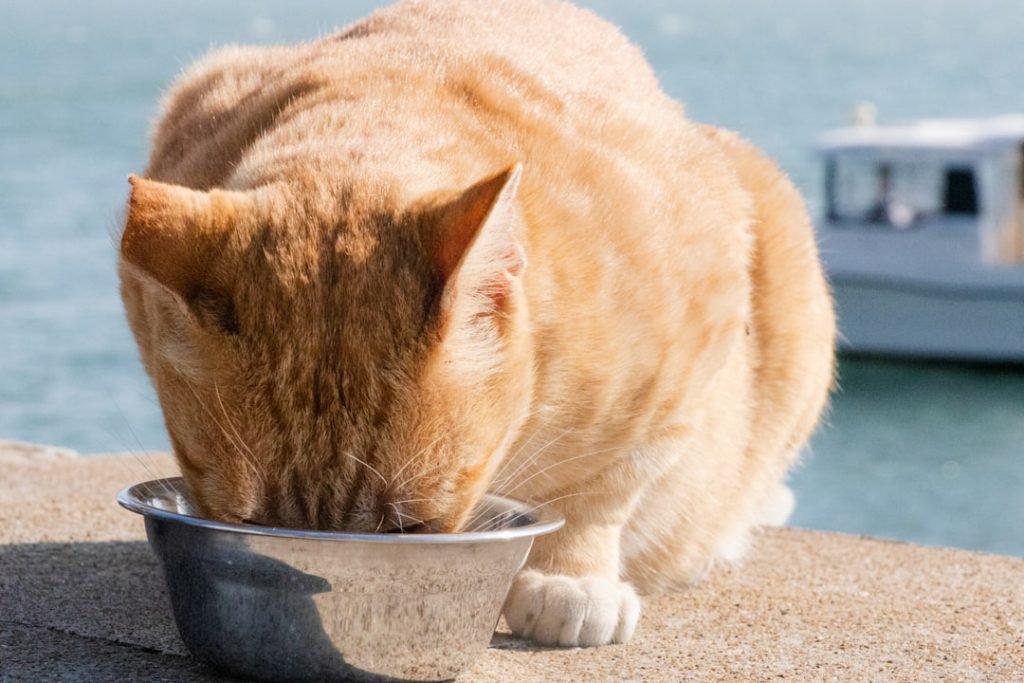
Cat Foods That Are Safe for Human Consumption As cat owners, we frequently wonder what we can feed our feline friends. Not all human foods are suitable for cats, despite the temptation to give them a taste of our dinner. Knowing what foods are safe can improve our relationship with our pets and give them a varied diet that meets their nutritional requirements. Because they are obligate carnivores, cats’ bodies are made to function best when fed mostly meat. Nonetheless, a number of human foods that provide both nutritional advantages & a delightful change of pace can be safely added to their diets.
Key Takeaways
- Cats benefit from certain safe human foods that complement their diet.
- Protein-rich foods like cooked meat and fish are ideal for cats.
- Some fruits and vegetables, such as pumpkin and blueberries, are safe in moderation.
- Dairy products can be given cautiously due to potential lactose intolerance.
- Avoid toxic foods like onions, garlic, chocolate, and grapes when feeding cats.
This article will examine a number of human food categories that are safe for cats, such as dairy products, grains, fruits and vegetables, protein-rich foods, and safe treats. Along with highlighting foods that should be avoided, we will offer advice on how to incorporate new foods into our cats’ diets. We can make sure our pets eat a nutritious, well-balanced diet and occasionally indulge in treats from our plates by knowing what is safe & healthy for them.
If you’re looking for safe human foods to share with your feline friend, it’s essential to understand which items are beneficial and which are harmful. For more tips on caring for your pets in various situations, you might find this article on walking your dog in hot weather particularly useful. It offers insights on keeping your pets safe and comfortable during outdoor activities. You can read it here: 5 Tips for Walking Your Dog When It Is Hot.
Our cats can safely eat a wide variety of foods that are high in protein. Beef, turkey, and chicken are great examples of lean meats. These proteins support our cats’ general health & muscle mass in addition to providing essential amino acids. Since many spices and additives can be hazardous to our pets, it is essential to cook these meats without any sauces or seasonings. The meat is safe for our feline companions if it is baked or boiled until it is thoroughly cooked.
Another food that many cats love is fish, which is high in protein. Because salmon and tuna are high in omega-3 fatty acids, which support healthy skin & a glossy coat, they can be served in moderation. However, because of the possibility of parasites, we should be wary of the mercury levels in some fish and refrain from feeding them raw fish. Our cats may enjoy canned fish in water (without salt added), but it’s best to limit these treats to avoid any possible health problems from consuming too much fish. Even though cats are mostly carnivores, they can safely eat some fruits & vegetables. We may be shocked to hear that our feline companions can enjoy some fruits, such as cantaloupe, watermelon, and blueberries.
Antioxidant-rich blueberries can be served as a cool snack. Because of its high water content, watermelon can keep our cats hydrated in hot weather. To avoid choking, we should make sure to cut these fruits into small, manageable pieces before introducing them.
When considering safe human foods for cats, it’s important to also think about their overall well-being during travel. A related article offers valuable insights on how to ensure a smooth journey for your furry friend. You can read more about this in the article on safe travel tips for pets, which provides practical advice for pet owners. For more information, check out the article here.
| Food | Safe for Cats | Notes | Recommended Serving |
|---|---|---|---|
| Cooked Chicken | Yes | Boneless and skinless, no seasoning | Small pieces, occasional treat |
| Cooked Fish (Salmon, Tuna) | Yes | Cooked thoroughly, no bones | Small amounts, occasional treat |
| Cooked Eggs | Yes | Scrambled or boiled, no seasoning | Small portion, occasional treat |
| Carrots | Yes | Cooked and chopped finely | Small amounts |
| Peas | Yes | Cooked or raw, fresh or frozen | Small amounts |
| Pumpkin | Yes | Plain cooked pumpkin, no additives | Small spoonfuls |
| Cheese | Yes (in moderation) | Some cats are lactose intolerant | Small pieces, occasional treat |
| Rice | Yes | Cooked plain rice | Small amounts |
| Apples | Yes | Remove seeds and core, small pieces | Small amounts |
| Bananas | Yes | Small pieces, high in sugar | Small amounts |
Cats can safely eat vegetables like carrots, peas, and pumpkin, which can also add more fiber to their diets. Compared to raw vegetables, steamed or cooked vegetables are simpler for our cats to digest. For example, pumpkin helps control bowel movements & is safe and good for digestive health. It is crucial to keep an eye out for any negative reactions in our cats & make necessary adjustments as we introduce these fruits and vegetables.
The old notion that all cats enjoy milk is not totally true. Even though a lot of adult cats like dairy products, they frequently lack the enzyme lactase, which is necessary for the proper digestion of lactose in milk. Some cats may experience gastrointestinal distress as a result. But when consumed in moderation, some dairy products can be served without risk. For instance, many cats tolerate plain yogurt well, and it can provide probiotics that promote gut health.
Another dairy option that some cats might like is cheese. Cheese can be delicious in small quantities, but we should always watch portion sizes to prevent digestive problems. Remember that not every cat will respond to dairy products in the same way, so we should pay close attention to how our pets behave when we start giving them these foods.
Even though cats don’t need as many carbohydrates as dogs or people do, they can still safely eat small amounts of some grains. Oatmeal or cooked rice can be used as a filler in homemade cat food or as a special treat. Combining these grains with foods high in protein can aid in digestion & provide energy. But we should not give our cats processed grains or grains with preservatives and additives. It’s important to keep in mind that not every cat will profit from eating grains.
Some people may have allergies or sensitivities that could cause digestive problems. As a result, we should introduce grains to our cats gradually and keep an eye out for any discomfort or negative reactions. Giving our cats treats for good behavior can be a great way to strengthen our bonds with them. There are many commercial cat treats that are made especially to meet the dietary requirements of cats. These treats frequently come in a variety of flavors and textures to suit our pets’ tastes. When choosing sweets, we should steer clear of those with artificial fillers or additives and seek out those made with premium ingredients.
We can make homemade sweets using safe human foods in addition to store-bought options. For example, we can use basic ingredients like egg and shredded meat to bake tiny pieces of fish or chicken. We can maintain control over the ingredients while giving our cats something unique with these homemade treats.
Treats should only make up a small portion of our cats’ overall diet, regardless of the kind we choose. Our feline companions can safely eat a wide variety of human foods, but there are also some things we must absolutely avoid. Cats may have major health problems as a result of eating certain toxic or dangerous foods. Cats should never be fed onions or garlic, for example, as they are known to harm their red blood cells.
Theobromine, which is poisonous to both cats and dogs, is also present in chocolate. Another group of foods that present a serious risk are grapes & raisins; even small amounts of these foods can cause kidney failure in certain cats. Also, since artificial sweeteners like xylitol can cause insulin spikes & hypoglycemia, we should refrain from giving our pets any processed foods that contain them. We can better shield our furry friends from potential harm by being aware of these hazardous foods. Care and patience are needed when introducing new human foods to our cats’ diets.
To observe how they respond, we should begin by introducing small amounts of safe foods in addition to their usual cat food. By taking a slow approach, we can keep an eye out for any negative reactions while making sure they continue to feel at ease with the novel tastes and textures. Keeping an eye on our cats’ preferences is also crucial because some may be more hesitant to try new foods, while others may pick them up quickly.
We shouldn’t push a food on someone if it doesn’t seem appealing at first; instead, we can try it again later or look into other options that might catch their attention. Also, we can encourage our cats to try new foods by establishing positive associations with them through playtime or as rewards. In conclusion, feeding our feline friends safe human food can improve their diets and deepen our relationship with them. We can make sure that our cats have a varied and healthy diet that is suited to their requirements by knowing which foods are good and which should be avoided.
Mealtime can be made fun for us & our cherished pets with a little preparation and attention to detail.