
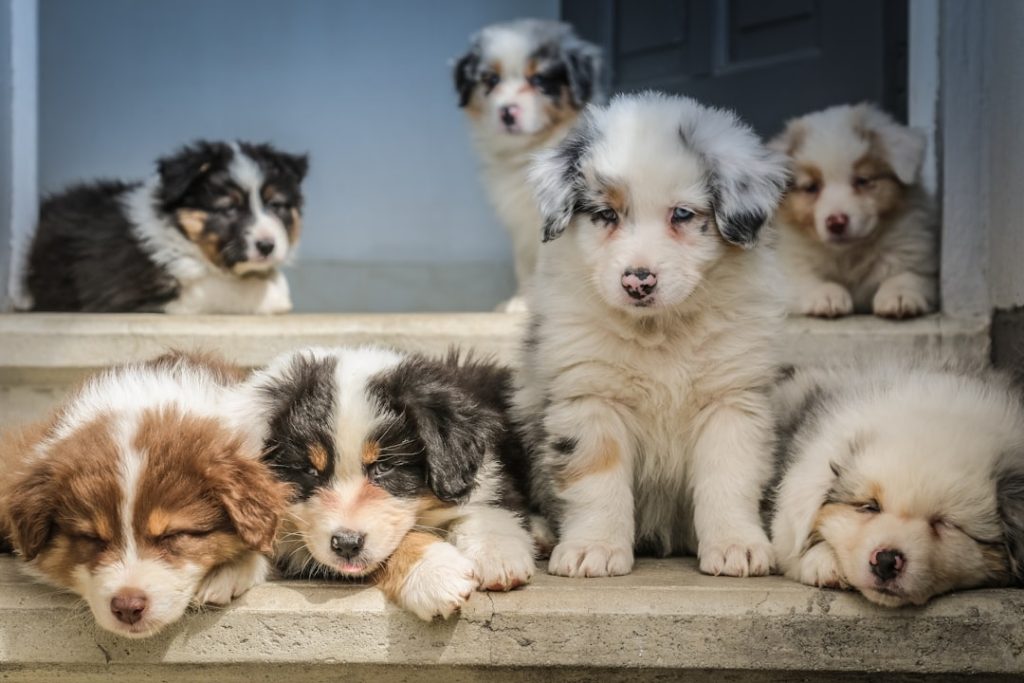
Puppy Socialization: A Complete Guide One of the most important things we need to think about when starting a puppy’s upbringing is socialization. The process by which our animal friends learn to interact with people, other animals, and their surroundings is known as socialization. It establishes the framework for their temperament and behavior as they mature. We can assist our puppies in becoming well-mannered adult dogs by exposing them to a variety of experiences during their early weeks. The importance of socialization, useful advice for interacting with people and other dogs, & methods for exposing our puppies to new situations and stimuli will all be covered in this article.
Key Takeaways
- Early socialization is crucial for puppies to develop confidence and good behavior.
- Positive interactions with other dogs and humans help prevent fear and aggression.
- Gradual exposure to various environments, sounds, and sights supports well-rounded development.
- Avoid overwhelming puppies by introducing new experiences slowly and calmly.
- Consistency and patience are key to successful socialization outcomes.
Puppies are especially open to new experiences when they are young, usually between three & fourteen weeks. This time frame is frequently called the “critical socialization window.”. We have a special chance to influence how they see the world & respond to it during this time. We can lessen the chance of behavioral problems in the future and help them develop confidence by actively engaging in their socialization process. As we learn more about this subject, we will discover the different aspects of socialization that go into making a contented and well-rounded dog friend. One cannot stress the significance of socialization.
If you’re looking for effective socialization tips for puppies, you might find the article on “Essential Puppy Training Techniques” particularly helpful. This resource provides insights into various training methods that can complement your socialization efforts, ensuring your puppy grows up to be well-adjusted and confident. To explore this article further, visit Essential Puppy Training Techniques.
When we consider it, a well-socialized puppy has a higher chance of developing into a self-assured and amiable adult dog. Socialization lowers the likelihood of fear-based aggression or anxiety by teaching our puppies how to interact with humans and other dogs. We can assist them in creating coping strategies that will benefit them for the rest of their lives by exposing them to various circumstances. Also, socialization is a key factor in preventing behavioral problems. Inadequately socialized puppies may display fear or hostility toward strangers, animals, or surroundings.
Both our dogs and us as pet owners may face difficulties as a result. We can reduce these risks and promote a healthy bond between our puppies and their environment by placing a high priority on socialization during their early development. In the end, a well-mannered dog is a responsible member of our community in addition to being a pleasure to own.
In order to socialize our puppies with other dogs, we should first look for secure and regulated settings. We can introduce our young puppies to their peers through puppy classes or playgroups. These environments give them the chance to engage in supervised interactions where they can pick up acceptable play behaviors and body language. We can intervene if needed as we watch how they interact to keep play constructive and non-threatening. We should also think about scheduling playdates with well-mannered adult dogs.
When it comes to socialization tips for puppies, it’s essential to consider how different environments can affect their behavior. One important aspect is ensuring that your puppy is comfortable during outdoor activities, especially in hot weather. For insights on how to keep your dog safe and happy while walking in the heat, you can check out this informative article on walking your dog when it is hot. This resource provides valuable advice that complements your efforts in socializing your new furry friend.
| Socialization Tip | Description | Recommended Age | Frequency | Expected Outcome |
|---|---|---|---|---|
| Introduce to Different People | Expose puppy to men, women, children, and people wearing hats or glasses. | 3 to 14 weeks | Daily | Reduces fear of strangers and builds confidence |
| Exposure to Various Sounds | Play recordings of household noises, traffic, and other common sounds. | 3 to 16 weeks | Several times a week | Prevents noise phobias and anxiety |
| Meet Other Dogs | Arrange safe, supervised playdates with vaccinated dogs. | 8 to 16 weeks | Weekly | Improves social skills and reduces aggression |
| Handle Different Surfaces | Walk puppy on grass, concrete, carpet, and gravel. | 3 to 14 weeks | Daily | Builds confidence and adaptability |
| Car Rides | Take short car trips to get puppy used to traveling. | 8 to 16 weeks | Weekly | Reduces travel anxiety |
| Positive Reinforcement | Reward calm and confident behavior with treats and praise. | All ages | Every socialization session | Encourages good behavior and learning |
Our puppies can learn important lessons about social cues and boundaries from adult dogs. Selecting dogs with a reputation for being amiable and patient with younger pups is crucial. By encouraging these exchanges, we can teach our puppies how to confidently and easily handle social situations. It is just as crucial to socialize our puppies with people as it is for them to interact with other dogs.
We should try to expose them to a range of individuals, such as men, women, kids, & people with different accessories or outfits. Because of this variety, our puppies are less likely to experience fear or anxiety in unfamiliar circumstances as they grow accustomed to different looks & behaviors. Bringing friends and family over for quick visits is a good way to introduce our puppies to people.
In order to foster positive relationships with new people, we can encourage our guests to offer treats or play gently with our puppies. Taking our puppies to pet-friendly places, like parks or outdoor cafes, can also expose them to a variety of human interactions. The secret is to make sure these encounters are constructive and pleasurable for our puppies so they feel more at ease around people. Exposing our puppies to a variety of environments is crucial to their development as we work on socializing them. We should explore nature trails, take them on walks through various neighborhoods, or visit crowded places with lots of foot traffic.
Every new setting offers distinct sights, sounds, and scents that help our puppies learn about the world. We should be aware of our puppies’ responses when we are exploring new areas. We can back off and give them time to adjust at their own pace if they appear apprehensive or afraid. Increasing the exposure gradually will help them become more comfortable in new environments.
We can establish positive associations with new environments by making these excursions enjoyable, maybe by adding playtime or treats. It is essential for our puppies’ socialization process to be exposed to a variety of sounds and sights in addition to different environments. If young puppies haven’t been properly introduced to everyday noises like traffic, sirens, or construction, they may find them frightening. By exposing our puppies to these sounds gradually and under supervision, we can aid in their desensitization. Playing recordings of everyday sounds at a low volume while doing constructive activities with our puppies, like playing or training sessions, is one useful strategy. We can progressively raise the volume as they get used to these noises.
In a similar vein, we should expose them to a variety of visual stimuli, such as strollers, bicycles, or even people wearing hats, making sure that every encounter is fulfilling. The development of our puppies depends on socialization, but it’s also critical to avoid overstimulating them. If puppies are put in uncomfortable situations or are exposed to too many new things at once, they may easily become stressed. We should pay attention to their body language and spot stress indicators like cowering, complaining, or trying to flee. We can divide socialization experiences into doable sessions to avoid overwhelm.
Long exposure times that could cause anxiety are frequently less effective than shorter encounters with new dogs or people. Positive reinforcement should also always be our top priority during these situations; giving our puppies praise or treats when they maintain composure will boost their self-esteem. Lastly, the secret to successfully socializing our puppies is patience and consistency. Instead of seeing socialization as a distinct task, we should try to integrate it into our everyday routines. Frequent playdates, outings, & training sessions will support the reinforcement of the socialization lessons.
Since each puppy develops at a different rate, patience is equally crucial. It might take some people longer than others to get used to new situations. We can build a trustworthy relationship with our puppies that promotes exploration & learning by staying composed and encouraging throughout the process. We will see our once-timid puppies grow into self-assured friends prepared to embrace their surroundings with patience and hard work.
In conclusion, socializing our puppies is a crucial part of being a responsible pet owner & calls for dedication and work on our part as caregivers. We can create the conditions for a contented and well-adjusted adult dog by realizing its significance and putting into practice efficient methods for exposing them to other dogs, people, environments, sounds, and sights while being aware of their comfort levels. We will improve our puppies’ lives and deepen our relationship with them as they develop into cherished family members by being consistent and patient in our approach.