
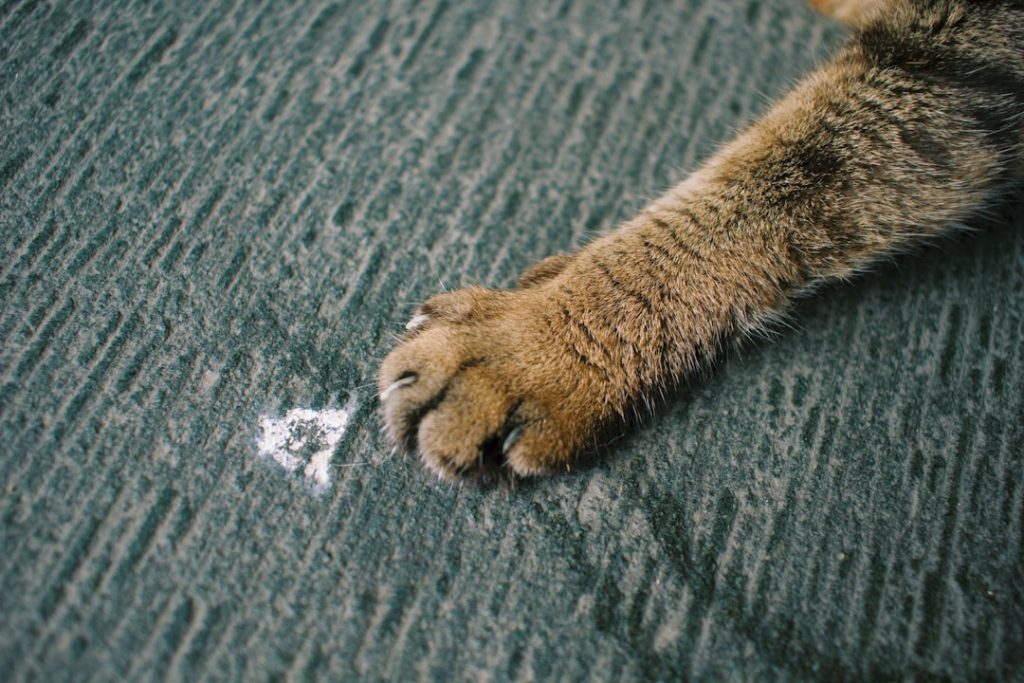
Cat Nail Trimming: A Complete Guide Nail trimming is a crucial but frequently disregarded part of cat care. As cat owners, we might not understand how crucial it is to keep our feline companions’ claws in good condition until we run into problems like furniture scratching or possible injuries. We can keep our cats comfortable and healthy by being aware of the importance of nail trimming. For our cats’ general health, nail cutting is essential. Numerous issues, such as painful injuries, difficulty climbing, and discomfort when walking, can result from overgrown nails.
Key Takeaways
- Regular nail trimming is important for cats to prevent overgrowth, ingrown nails, and potential injury.
- Choose the right tools for nail trimming, such as cat-specific nail clippers or grinders, to ensure a safe and effective process.
- Prepare your cat for nail trimming by getting them comfortable with handling their paws and providing positive reinforcement.
- Follow a step-by-step guide for trimming your cat’s nails, including identifying the quick and only trimming the tips.
- Deal with resistant or fearful cats by taking breaks, using treats, and seeking professional help if needed.
- Avoid accidents and injuries during nail trimming by staying calm, using proper techniques, and being cautious of the quick.
- After trimming, provide post-trimming care for your cat’s nails, such as applying styptic powder if there is bleeding.
- Seek professional help for nail trimming if you are uncomfortable or if your cat is too difficult to handle.
When a cat’s nails get too long, they may curl back into their paw pads, which could result in pain and infection. We can avoid these problems and encourage our cats to live more active lives by routinely cutting their nails. Also, maintaining our nails on a regular basis can help keep our homes and possessions safe.
If you’re looking for more ways to keep your feline friend healthy and comfortable, you might find it helpful to read about natural options for flea and tick control. This can be particularly important as maintaining your cat’s overall well-being goes hand in hand with regular grooming practices like nail trimming. For more information, check out this related article on flea and tick control: Flea and Tick Control: Natural Options.
Cats’ innate tendency to scratch keeps their claws healthy and sharp. However, when they play, their long nails can harm our skin, carpets, & furniture. We can reduce the possibility of unintentional scratches and preserve a peaceful living space by keeping their nails clipped. To guarantee a seamless and secure nail-trimming experience for both us and our cats, it is essential to choose the right tools.
Nail clippers come in a variety of styles, such as electric grinders, guillotine-style clippers, & scissors-style clippers. Every kind has pros & cons, so it’s critical to select one that meets both our comfort level and our cat’s requirements. For example, the effectiveness and ease of use of guillotine-style clippers make them popular among many cat owners. They are appropriate for most cats & enable accurate cuts. However, larger cats or those with thicker nails might benefit more from scissors-style clippers.
Because they gradually file down nails rather than cut them, electric grinders can be a great choice for people who prefer a less intrusive method. For a clean cut, it is essential to make sure the tool we select is both sharp and in good working order. The secret to nail cutting is preparation. We should create a peaceful space that will make our cats feel comfortable before we even consider grabbing the clippers.
If you’re looking for more pet care advice, you might find it helpful to check out an article on keeping your dog safe during hot weather. Proper grooming, including nail trimming for cats, is essential for their health and comfort, just as ensuring your dog stays cool is vital during the summer months. To read more about this, visit this informative article.
| Tips for Nail Trimming for Cats |
|---|
| 1. Use proper cat nail clippers |
| 2. Start trimming nails when your cat is relaxed |
| 3. Trim the tip of the nail only |
| 4. Avoid cutting the quick (blood vessel) |
| 5. Reward your cat after trimming |
This could entail making sure our cat is comfortable & picking a peaceful space with few distractions. To foster positive associations with the nail-trimming procedure, we may also think about utilizing toys or treats. Getting our cats used to having their paws handled is also a crucial part of getting ready. During routine cuddle sessions, we can begin by playing with their toes and gently massaging their paws.
If you’re looking for additional advice on caring for your feline friend, you might find it helpful to read about safe travel tips for pets. Proper preparation can make a significant difference in your cat’s comfort and safety during trips. For more insights, check out this informative article on safe travel with your pet.
As a result, both parties will find the actual trimming process less stressful as they become more accustomed to having their feet touched. We can start the nail-trimming procedure once our cat is ready and we have gathered the required equipment. Finding a position that is comfortable for both our cat & ourselves should come first. Having someone hold the cat securely but gently while we concentrate on trimming could be beneficial.
We should start by lightly pressing on our cat’s paw pad to extend the claw. Cutting into the quick, the pink part of the nail that houses blood vessels and nerves, should be avoided as this can result in pain and bleeding. Only the sharp tip of the nail should be trimmed, being careful not to make any abrupt movements that might frighten our cat. We can take pauses after cutting a few nails to comfort our cat with soft strokes and comforting words.
This will help maintain their composure and improve the overall experience. It is preferable to stop and try again later rather than pressuring the process if we run into any resistance or indications of distress. Not every cat enjoys having their nails cut, and some may be especially reluctant or afraid. In such situations, patience is essential. We should never put our cats in uncomfortable situations; instead, we can help them get used to the process gradually.
Dividing the trimming into smaller sessions is one efficient way. We can concentrate on one or two cat nails at a time rather than trying to cut them all at once. This enables us to gradually gain our feline friend’s trust without becoming overbearing. Also, we can help our cats associate nail cutting with something fun by using treats as positive reinforcement. Using calming sprays or pheromone diffusers made especially for nervous pets might be worthwhile if our cat refuses to cooperate despite our best efforts.
When getting your nails done, these products can help create a more laid-back atmosphere. When it comes to cutting our cats’ nails, safety should always come first. Before beginning, we should make sure that our tools are sharp & in good working order to prevent mishaps or injuries. Our cats may experience discomfort if dull clippers crush their nails instead of cutting them cleanly.
Also, while trimming, we should constantly pay attention to our cat’s body language. It’s crucial to stop and give them a break if they appear agitated or uneasy. If our cat has a tendency to fidget or squirm during nail-trimming sessions, we might also think about gently wrapping them in a blanket or towel. Lastly, it’s a good idea to keep a first aid kit on hand in case someone gets cut or injured by accident.
During nail trimming sessions, we can feel more prepared and confident if we know how to handle minor bleeding, like using styptic powder. It’s crucial to give our cats some post-trimming care to guarantee their comfort and wellbeing after successfully cutting their nails. Every nail should be examined for any indications of bleeding or damage. If we find any problems, taking quick action to fix them will help avoid more issues.
Also, providing sweets or having playtime following trimming can strengthen favorable associations with the activity. This not only makes our cats feel more at ease, but it also helps them see getting their nails trimmed as a normal part of their care rather than something to be afraid of. In the days after the trim, we should also monitor our cat’s behavior.
To rule out any underlying problems, it might be worthwhile to see a veterinarian if they appear unusually sensitive about their paws or show signs of discomfort when walking. Even though many cat owners feel at ease cutting their pets’ nails at home, there are situations when getting expert assistance might be required. It may be helpful to speak with a veterinarian or professional groomer who specializes in pet care if, despite our best efforts, we are unable to control an agitated or aggressive cat. Professional groomers can frequently finish the task more quickly than we might be able to at home because they have experience working with a variety of temperaments. Also, they have access to specialized equipment that can facilitate and secure the procedure for both our cats and ourselves. In conclusion, keeping our cats’ nails trimmed is a crucial aspect of responsible cat ownership that greatly improves their wellbeing.
We can make nail cutting a manageable part of our regular care for our feline friends by being aware of its significance, selecting the appropriate equipment, being well-prepared, and exercising patience throughout the procedure. If difficulties emerge, getting expert help is always an option that can make the experience better for all parties.