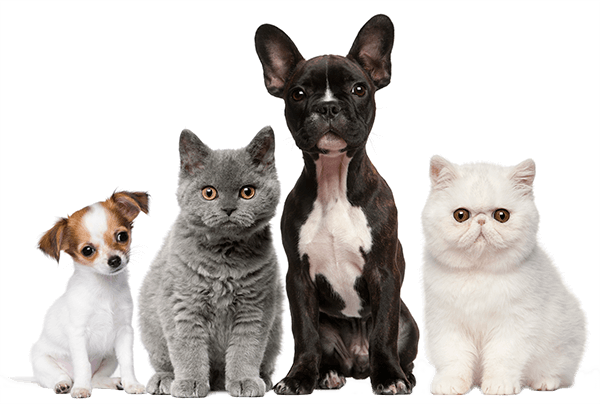

A Complete Guide to Pet Wellness As pet owners, we frequently struggle to maintain the health and wellbeing of our furry companions. We cannot ignore the growing concern over the prevalence of obesity and associated health problems in pets. Recent research indicates that a sizable portion of pets are overweight or obese, which can result in a variety of health issues like diabetes, heart disease, and joint issues. This concerning trend forces us to examine our pets’ lifestyles more closely and make the required changes to guarantee they live healthier lives.
Key Takeaways
- Identify and understand the root causes of your pet’s health issues.
- Develop a balanced diet plan tailored to your pet’s needs.
- Promote regular physical activity to maintain a healthy weight.
- Control portion sizes to prevent overeating and obesity.
- Consult a veterinarian for personalized health and nutrition guidance.
It’s critical to comprehend the underlying causes of these health problems. Many of us might not be aware that a number of factors, such as poor diet, inactivity, & even genetics, can contribute to our pets’ weight issues. Also, our hectic schedules frequently cause us to undervalue the significance of routine veterinary examinations & healthy eating. By recognizing these problems, we can start creating a strategy that takes into account the unique requirements of our pets and enhances their general wellbeing.
If you’re looking for additional ways to support your overweight cat’s health, you might find it helpful to explore natural options for flea and tick control. Maintaining your cat’s overall well-being can contribute to a healthier lifestyle, which is essential for weight management. For more information on this topic, check out the article on natural flea and tick control methods at Furever Friends Veterinary Clinic.
Developing a healthy diet plan for each pet is the next step after realizing how important a balanced diet is for them. When choosing the right food, we need to take into account things like age, breed, degree of activity, and any underlying medical conditions. We can learn a lot about the best food choices for our pets by speaking with a veterinarian. They can assist us in comprehending the dietary needs unique to our pet’s health and life stage.
We can consider making homemade meals in addition to selecting premium commercial pet food. This gives us total control over the ingredients and guarantees that our pets are fed wholesome, fresh food. To make sure that homemade diets are balanced and satisfy all of our pets’ nutritional needs, it is crucial to conduct extensive research or speak with a veterinary nutritionist. The health and well-being of our pets can be greatly enhanced by implementing these measures.
Maintaining our pets’ physical and mental health requires incorporating regular exercise into their daily routines. Pets need exercise to maintain their health and fitness, just like people. Regular exercise improves cardiovascular health, builds muscle, and helps prevent obesity.
If you’re looking for effective strategies to assist your overweight cat, you might find it helpful to explore additional resources that provide valuable insights on feline health and nutrition. One such article offers tips on maintaining a balanced diet and encouraging regular exercise for your pet. For more information, you can check out this resource that covers various aspects of cat care, including weight management techniques that can lead to a healthier lifestyle for your furry friend.
| Metric | Recommended Value/Action | Notes |
|---|---|---|
| Ideal Weight Range | Depends on breed and size; typically 8-10 lbs for average domestic cats | Consult your vet for specific target weight |
| Daily Caloric Intake | Reduce by 20% from maintenance calories | Typical maintenance is 20 calories per pound of body weight |
| Feeding Frequency | 3-4 small meals per day | Helps control hunger and prevent overeating |
| Type of Food | High protein, low carbohydrate, weight management formula | Supports lean muscle and fat loss |
| Exercise Duration | At least 15-20 minutes daily | Interactive play with toys recommended |
| Weight Loss Rate | 0.5-2% of body weight per week | Safe and sustainable weight loss |
| Regular Vet Checkups | Every 4-6 weeks during weight loss program | Monitor health and adjust plan as needed |
| Water Intake | Encourage fresh water availability at all times | Hydration supports metabolism and health |
We can begin by scheduling daily walks, playtime, or even excursions to the dog park. In addition to helping our pets physically, these activities offer a chance for socialization and bonding. In addition, we ought to take our pets’ exercise preferences into account. While some pets may prefer more gentle forms of exercise like leisurely walks or interactive play with toys, others may thrive on high-energy activities like running or fetch.
We can modify our pets’ exercise regimens to keep them interested & motivated by paying attention to their behavior and preferences. In the end, encouraging a love of exercise will greatly improve their general well-being. Keeping an eye on portion sizes is one of the most important parts of controlling our pets’ weight. Unknowingly, many pet owners overfeed their animals, which causes weight gain and related health issues.
We should become familiar with the suggested serving sizes for our pets based on their size, age, & degree of activity in order to address this problem. The majority of pet food packaging offers recommendations that can be used as a basis for figuring out the right serving sizes. We can also use a kitchen scale or measuring cups to make sure we feed our pets precisely.
Setting up a feeding schedule instead of leaving food out all day might also be beneficial. We can better regulate portion sizes and avoid overindulging by serving meals at set times. Also, we should be careful about treats and snacks because they can quickly accumulate calories.
We can help our pets maintain a healthy weight & lower their risk of obesity-related health problems by being careful with portion control. Frequent veterinary examinations are crucial for keeping an eye on our pets’ health & taking care of any potential issues. We ought to build a rapport with a reliable veterinarian who can offer advice on diet, exercise, and general well-being. We can talk about any behavioral or health changes in our pets that might call for more research during these visits.
Veterinarians can also provide helpful guidance on weight-management techniques customized to our pets’ unique requirements. To help our pets safely lose extra weight, they might suggest specific diets or weight-loss plans. Regular immunizations and preventive care are also essential for preserving our pets’ health. We can make sure that our furry friends get the care they require to flourish by making veterinary care a top priority.
Playtime with interactive toys can greatly increase our pets’ levels of physical activity and mental stimulation. These toys are made to appeal to our pets’ innate instincts & foster critical thinking as they solve puzzles or find hidden treats. We can provide our pets with mental stimulation & entertainment while encouraging physical activity by purchasing interactive toys.
Also, interactive toys can lessen destructive behaviors and boredom that might result from a lack of stimulation. For example, when dogs are bored or nervous, they may chew on furniture or bark excessively. We can redirect their energy into constructive outlets by giving them stimulating toys that test their bodies and minds. This enhances their emotional wellbeing in addition to their physical health.
For our pets’ general wellbeing, mental stimulation is just as crucial as physical exercise. Preventing behavioral problems and fostering a sense of fulfillment in their everyday lives can be achieved by involving their minds in different activities. Our routines can include training sessions where we teach our pets new skills or reinforce fundamental commands. In addition to strengthening our relationship, this keeps them interested by offering mental challenges. Also, we can investigate activities that appeal to our pets’ innate instincts and skills, like scent work or agility training. These activities help our pets develop their confidence & socialization skills while also stimulating their minds.
By placing equal emphasis on mental stimulation and physical exercise, we develop a comprehensive strategy for our pets’ general well-being. For our pets’ lives to be stable & secure, a regular routine must be established. Setting aside specific times for feeding, exercise, playtime, and rest can help animals feel more at ease in their surroundings because they thrive on consistency. We can make sure our pets get the care they require and develop positive habits by planning a daily routine that takes into account every facet of their care.
Also, routines can keep us responsible for upholding the health objectives of our pets. We are more likely to follow our plans and successfully track their progress when we set regular feeding times and exercise sessions. As we participate in shared activities, this consistency not only helps our pets physically but also fortifies our relationship.
In conclusion, taking proactive measures to improve the health of our pets necessitates a multimodal strategy that includes routine establishment, diet, exercise, mental stimulation, & veterinary care. We can guarantee that our cherished companions live contented, healthy lives full of joy and vitality by comprehending the difficulties they encounter and putting into practice practical solutions catered to their requirements. Let’s pledge to be responsible pet owners who put our furry friends’ welfare first on a daily basis.