Keeping Our Canine Friends Safe in the Heat As the temperature rises and the sun shines overhead, we need to be concerned about our pets’ safety. Despite their resilience, dogs are not impervious to the risks associated with intense heat. In order to keep our pets healthy and content throughout the hot summer months, it is essential to comprehend the dangers of high temperatures. It’s important to acknowledge that dogs are more vulnerable to heat than people when considering heat-related hazards.
Key Takeaways
- Dogs are vulnerable to heat-related illnesses like heat exhaustion and heatstroke, which require prompt attention.
- Key signs of heat distress in dogs include excessive panting, drooling, lethargy, and collapse.
- Always provide ample shade, fresh water, and avoid peak heat hours to keep dogs cool.
- Protect dogs’ paws from hot pavement by walking during cooler times and using protective booties if needed.
- Never leave dogs unattended in cars during hot weather, as temperatures can rise dangerously fast.
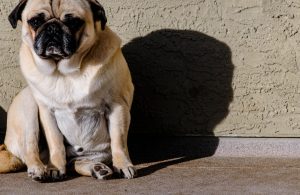
Dogs use panting to control their body temperature rather than sweating like humans do. They can easily become overheated due to this physiological difference, particularly in hot or muggy weather. To avoid heat-related illnesses, it is our responsibility as responsible pet owners to educate ourselves about these risks. Also, some breeds are more susceptible than others to heat stress. The short snouts of brachycephalic breeds, like pugs and bulldogs, make it difficult for them to breathe effectively.
When considering heat safety tips for dogs, it’s also important to think about how to keep your pet safe during travel in hot weather. For more insights on this topic, you can check out the article on safe travel with your pet this summer at 4 Tips for Safe Travel with Your Pet This Summer. This resource provides valuable advice to ensure your furry friend stays comfortable and secure while on the road.
This may make them more vulnerable to overheating. Dogs with pre-existing medical conditions, older dogs, and overweight dogs are also more vulnerable. We can take preventative action to shield our dogs from the risks posed by heat by being aware of these factors. For our dogs’ safety, it is essential to recognize the symptoms of heat exhaustion & heatstroke. Excessive panting, drooling, weakness, and a fast heartbeat are just a few of the symptoms of heat exhaustion.
It’s critical to take prompt action if we observe these symptoms in our dog. Heatstroke & other more serious conditions can result from ignoring these symptoms. Heatstroke is a potentially fatal condition that needs to be treated right away. A high body temperature (above 104°F), lethargy, disorientation, nausea, and even convulsions are signs of heatstroke. If we think our dog may be experiencing heatstroke, we need to move them to a shaded spot and give them cool (not cold) water to help them cool down.
It’s critical to keep an eye on their temperature & get veterinary help right away. Recognizing these symptoms could potentially save our dog’s life. We all share the responsibility of keeping our dogs cool in hot weather, which calls for ingenuity and preparation.
As the temperatures rise, it’s essential to prioritize the well-being of our furry friends, and you can find valuable insights in the article on heat safety tips for dogs. This resource provides practical advice on how to keep your pets cool and safe during the hot summer months, ensuring they stay healthy and happy while enjoying the outdoors.
| Heat Safety Tip | Description | Recommended Action |
|---|---|---|
| Provide Plenty of Water | Dogs need constant access to fresh, cool water to stay hydrated in hot weather. | Refill water bowls frequently and carry water on walks. |
| Avoid Midday Heat | Temperatures are highest between 10 AM and 4 PM, increasing risk of heatstroke. | Walk dogs early morning or late evening when it’s cooler. |
| Never Leave Dogs in Cars | Car interiors can heat up rapidly, causing dangerous heatstroke. | Do not leave dogs unattended in parked vehicles. |
| Provide Shade | Direct sunlight can cause overheating and sunburn, especially in short-haired dogs. | Ensure dogs have access to shaded areas outdoors. |
| Use Cooling Products | Cooling mats, vests, or damp towels can help lower body temperature. | Apply cooling products during hot weather or after exercise. |
| Limit Exercise | Excessive activity in heat can lead to overheating and exhaustion. | Reduce intensity and duration of exercise on hot days. |
| Watch for Heatstroke Signs | Symptoms include excessive panting, drooling, weakness, vomiting, and collapse. | Seek immediate veterinary care if symptoms appear. |
| Groom Appropriately | Regular grooming helps remove excess fur but avoid shaving too short. | Maintain a healthy coat to protect from sun and heat. |
Giving our pets lots of fresh water at all times is a good way to help them combat the heat. We should make sure that our dogs have access to clean water both indoors and outdoors because staying hydrated is crucial. Their water bowl can be made more appealing & refreshing by adding ice cubes. Providing our dogs with a cool environment at home is another excellent tactic. To reduce interior temperatures, we can use air conditioning or fans. Establishing a cool tile or shaded space for our dogs to relax can make a big difference if we don’t have air conditioning.
We may also think about purchasing cooling mats or dog-specific vests. These items can help them stay comfortable on hot days by controlling their body temperature. In hot weather, giving our dogs access to water and shade is more than a luxury. We must make sure our dogs have access to shaded spots where they can avoid the sun’s damaging rays when we take them outside, especially for long stretches of time.
Dog tents, trees, & umbrellas can all be used to provide our pets with a cozy haven. Water has equal importance. Heat waves can quickly cause dehydration, which can have major negative effects on health. When we go out with our dogs, we should always bring water and encourage them to drink on a regular basis. Our dog may need more water or a respite from the heat if we see them growing listless or uninterested in their surroundings. For our dogs’ physical and mental health, exercise is crucial, but in hot weather, we need to modify our routines.
The best times to go for walks or play are in the early morning or late at night when it’s cooler. During the hours of maximum heat, which are usually between 10 AM and 4 PM, we should try to limit physically demanding activities. On hot days, we can also include low-impact exercises in our dog’s workout regimen. For many dogs, swimming is a great choice because it keeps them cool and gives them a fantastic workout.
If swimming isn’t an option, our dogs can stay active without being overheated by playing fetch in shaded areas or playing indoor games. Because our dog’s paws are delicate, hot surfaces like sand or asphalt can easily harm them. On warm days, we should be aware of the temperature of the ground when taking our dogs for walks. Putting the back of our hand on the pavement for seven seconds is a straightforward test; if it’s too hot for us, it’s too hot for our dogs.
We can think about using dog booties made for hot weather to protect their paws. They can safely engage in outdoor activities thanks to these protective coverings, which can shield their paws from hot surfaces. If booties aren’t an option, we should try to stay on grassy or shaded paths. It takes careful preparation to travel with our dogs in hot weather so that they are comfortable and safe. We should check the weather forecast before starting any trip & steer clear of the hottest times of the day.
It’s crucial to schedule frequent breaks for our dogs to stretch their legs and drink water if we’re traveling long distances. Even for a brief period of time, we should never leave our dogs alone in a parked car while traveling. Heatstroke can occur in a matter of minutes when the temperature inside an automobile rises quickly. To keep them comfortable during stops, we can instead pack cooling mats and portable water bowls. In hot weather, leaving our dogs in the car is a risky practice that should be avoided at all costs.
A car’s interior temperature can rise to hazardous levels in a matter of minutes, even if the windows are open or it is parked in the shade. It’s best to leave our dogs at home, where they are secure & comfortable, if we have errands to run that prevent us from bringing them inside. When we witness a dog abandoned in a car on a hot day, it is imperative that we take immediate action. To ensure the dog’s safety, we should carefully assess the situation.
If the dog seems distressed or unresponsive, we might need to call the local authorities. In conclusion, it is our duty as loyal pet owners to shield our dogs from the risks associated with heat exposure. We can take proactive measures to keep our furry friends safe and comfortable during the hottest months of the year by being aware of the dangers connected to high temperatures and spotting the symptoms of heat-related illnesses.
We can make sure that summer is a happy season for both us & our cherished pets if we give them the right care and attention.