
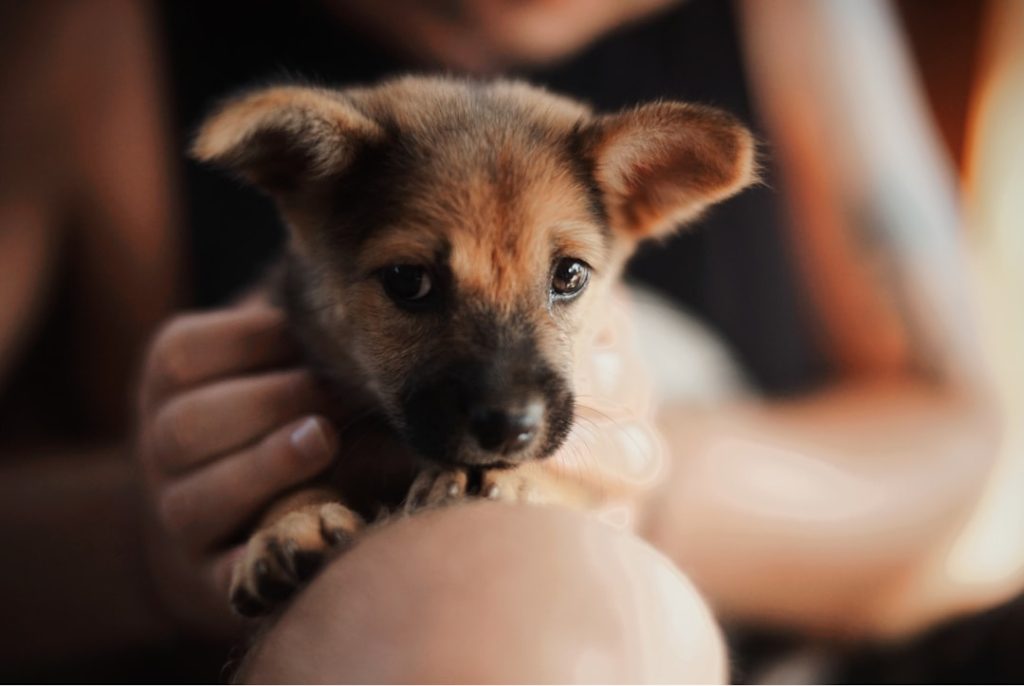
First Year Puppy Health: An All-Inclusive Guide Bringing a puppy into our lives is an amazing experience that is full of happiness, laughter, and a good deal of difficulties. Prioritizing our new furry friend’s health during their formative first year is vital as we set out on this journey. This time is crucial for their physical growth as well as for building a solid foundation for their behavioral and emotional health. We can make sure that our young friends develop into contented, healthy adult dogs by being aware of the different facets of puppy health.
Key Takeaways
- Introduction to First Year Puppy Health:
- The first year of a puppy’s life is crucial for setting the foundation for their overall health and well-being.
- Proper care and attention during this time can help prevent future health issues and ensure a happy, healthy life for your puppy.
- Vaccination Schedule and Importance:
- Following a proper vaccination schedule is essential for protecting your puppy from serious and potentially deadly diseases.
- Vaccinations should start at an early age and continue throughout the first year to build immunity.
- Nutritional Needs and Diet:
- Puppies have specific nutritional needs that require a balanced diet of high-quality puppy food.
- Proper nutrition is vital for healthy growth and development, so it’s important to feed your puppy the right amount and type of food.
- Exercise and Socialization:
- Regular exercise and socialization are crucial for a puppy’s physical and mental well-being.
- Providing opportunities for play, interaction with other dogs, and exposure to new environments helps puppies develop into well-adjusted adults.
- Common Health Issues and Warning Signs:
- Being aware of common health issues and their warning signs can help you identify and address potential problems early on.
- Keep an eye out for symptoms such as lethargy, loss of appetite, vomiting, diarrhea, and abnormal behavior.
- Grooming and Hygiene:
- Regular grooming and hygiene practices, such as brushing, bathing, and nail trimming, are important for maintaining your puppy’s overall health and cleanliness.
- Proper grooming also helps prevent issues like matting, skin infections, and dental problems.
- Training and Behavioral Health:
- Early training and socialization are essential for shaping a puppy’s behavior and preventing future behavioral issues.
- Positive reinforcement and consistency are key to establishing good behavior and obedience in your puppy.
- Regular Veterinary Check-ups and Preventative Care:
- Regular veterinary check-ups and preventative care, including parasite control and dental care, are essential for maintaining your puppy’s health.
- Your veterinarian can provide guidance on a tailored healthcare plan for your puppy’s specific needs.
Puppies go through a lot in their first year, from their quick growth to their exploration of their surroundings. We must be proactive in attending to our pets’ medical needs as responsible pet owners. This covers everything from socialization and exercise to immunizations and diet. We can establish a setting that promotes our puppy’s general wellbeing and lays the groundwork for a long, happy life together by being knowledgeable & watchful. Vaccination schedules are among the most important aspects of our puppy’s health. In order to shield our pets from potentially fatal infectious diseases, vaccinations are crucial.
When bringing a first-year puppy into your home, it’s essential to prioritize their health and well-being. Alongside general health tips, it’s also important to consider how weather conditions can affect your puppy’s outdoor activities. For instance, during hot weather, you should be mindful of how to keep your puppy safe while walking. A related article that provides valuable insights on this topic is “5 Tips for Walking Your Dog When It Is Hot,” which can be found at this link. This resource will help you ensure your puppy stays comfortable and healthy during warm walks.
Puppies’ immune systems are still developing during the first few months of their lives, making them especially vulnerable. As a result, following our veterinarian’s recommended vaccination schedule is essential. Puppies are usually given a series of vaccinations between the ages of six & eight weeks. Vaccines against distemper, parvovirus, and adenovirus, among other diseases, are frequently included in these first doses.
Additional vaccinations, such as those against bordetella & rabies, might be necessary as the first year goes on. Keeping track of these appointments is crucial to making sure our puppies receive all required vaccinations on schedule. These vaccines not only keep our pets safe, but they also improve community health by stopping the spread of illnesses. Another key component of our puppy’s health during their first year is proper nutrition. Adult dogs’ dietary needs are very different from those of puppies.
To sustain their quick growth and development, they require a well-balanced diet high in protein, fats, vitamins, and minerals. Choosing premium puppy food that satisfies the unique nutritional requirements of our developing friends is crucial as we sort through the plethora of dog food options available. Portion sizes and feeding schedules are just as important as choosing the appropriate food.
When bringing a first-year puppy into your home, it’s essential to prioritize their health and well-being. Alongside regular vet check-ups and vaccinations, you should also consider preventive measures against pests that can affect your puppy’s health. For instance, learning about effective flea and tick control can be crucial. You can find valuable information on this topic in a related article that discusses natural options for pest control, which can be beneficial for your furry friend. To read more about it, check out this informative article.
| Health Tips | Details |
|---|---|
| Vaccinations | Ensure your puppy receives all necessary vaccinations to protect against common diseases. |
| Diet | Provide a balanced diet with high-quality puppy food to support growth and development. |
| Exercise | Engage in regular exercise to promote physical fitness and mental stimulation. |
| Grooming | Establish a grooming routine to maintain your puppy’s coat, nails, and overall hygiene. |
| Regular Check-ups | Schedule regular veterinary check-ups to monitor your puppy’s health and address any concerns. |
In order to sustain their energy levels and promote healthy growth, puppies usually need three to four meals per day. We can gradually move them to eating two meals a day as they get closer to adulthood. Obesity and other health problems can be avoided in the future by keeping an eye on our puppy’s weight & modifying their diet appropriately. Depending on our puppy’s breed, size, and degree of activity, speaking with our veterinarian can give us important information about their particular dietary requirements. The general health & development of our puppy depend heavily on exercise and socialization.
When bringing a new puppy into your home, it’s essential to prioritize their health and well-being from the start. Alongside basic care tips, understanding how to keep your furry friend safe during travel is equally important. For instance, you might find helpful insights in this article about safe travel practices for pets, which can ensure your puppy remains comfortable and secure on the go. To learn more about this topic, check out the article on safe travel with your pet.
Frequent exercise promotes cardiovascular health and helps develop strong bones and muscles. Since puppies are inherently active and inquisitive, giving them lots of chances to play & explore is crucial to their wellbeing. Our puppies’ minds are stimulated and their bodies are kept physically fit through daily walks, playtime, and interactive games. Socialization is equally vital during this crucial time.
Our puppies gain confidence and are less likely to have behavioral problems in the future when they are exposed to a variety of settings, people, and other animals. Playgroups and puppy classes can be great places for socialization, giving our animal companions a safe environment in which to engage. We can help our puppies develop into well-adjusted adults who are at ease in a variety of settings by placing equal emphasis on exercise and socialization.
It is crucial to be aware of common health problems that may occur during the first year of our puppy’s life. Puppies are prone to a number of illnesses, such as skin infections, ear infections, and digestive issues. Early detection of warning indicators can significantly impact how quickly these problems are resolved. You should never disregard symptoms like diarrhea, vomiting, excessive scratching, or lethargy.
Observing our puppy’s behavior and physical state on a regular basis is essential. Changes in energy, appetite, or bathroom habits may be signs of underlying health issues that need to be treated by a veterinarian. We should also educate ourselves on breed-specific health issues that could impact our puppies as they get older. We can make sure our puppy gets the care they require when it counts most by remaining watchful and proactive about their health. Throughout their first year, grooming is crucial to preserving our puppy’s health and hygiene.
In addition to keeping our puppies looking their best, routine grooming enables us to keep an eye out for any indications of problems like infections or parasites on their skin and coat. Grooming requirements can differ greatly depending on the breed; some puppies may require regular brushing or expert grooming, while others may require little upkeep. Another crucial component of grooming that needs to be handled carefully is bathing.
A puppy’s skin may become dry or irritated as a result of excessive bathing, which removes natural oils. Our goal should be to bathe our puppies only when absolutely necessary or as advised by our veterinarian. Also, dental hygiene is vital for general health but is frequently disregarded.
Dental disease can be avoided and our puppy’s mouth can remain healthy with regular tooth brushing and dental chews. Training is a crucial part of our puppy’s growth and development, and it is closely related to their physical health. Early development of positive behavioral patterns can help us avoid behavioral problems later on & improve our relationship with our furry friends. Puppies can learn basic commands like sit, stay, and come with great success using positive reinforcement techniques.
Regular training sessions will both provide mental stimulation & help reinforce these commands, so consistency is essential. Behavioral health includes treating any fears or anxieties our puppies may have in addition to obedience training. Puppies’ confidence in a variety of circumstances is greatly aided by early socialization. It can be helpful to get professional advice from a trainer or behaviorist if we see signs of fear or aggression in our puppies. We can cultivate an adult dog that is well-adjusted and thrives in a variety of settings by devoting time to training and addressing behavioral issues early on. Lastly, maintaining our puppy’s long-term health requires routine veterinary examinations.
In addition to offering chances for vaccinations and preventative care measures like flea and tick prevention or heartworm testing, routine visits enable us to keep an eye on our puppy’s growth and development. Building a rapport with a reputable veterinarian at a young age can help us deal with any health issues that may come up during our puppy’s lifetime. Beyond vaccinations, preventative care also includes routine dental exams, parasite control, and nutritional counseling when necessary. Being proactive about our puppy’s medical needs allows us to identify possible problems early & give our furry friends the best care possible. In the end, spending time & energy on routine veterinary care will pay off in the form of a contented, healthy dog that will improve our lives for many years to come. To sum up, a puppy’s first year of life is full of chances for development and growth that lay the groundwork for a healthy future.
We can make sure that our puppies flourish during this crucial time by concentrating on vaccination schedules, diet, exercise, socialization, grooming, training, & routine veterinary care. We can help our furry friends develop into well-rounded adult dogs who make our lives happier every day by giving them love, care, and attention.