
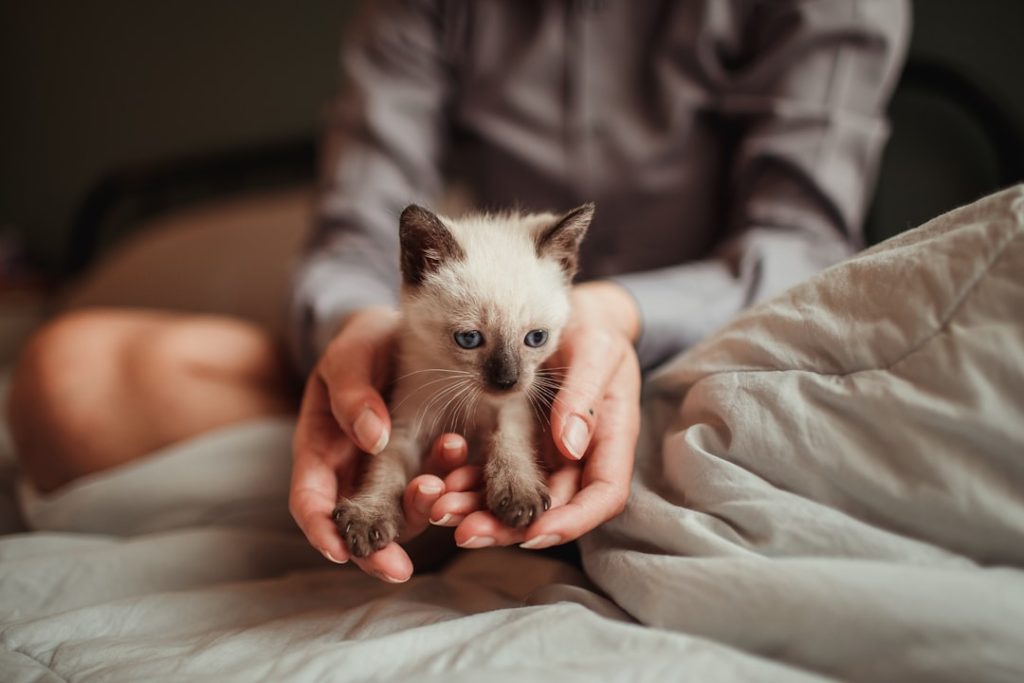
First Year Kitten Health: A Complete Guide Bringing a new kitten into our lives is an exciting & life-changing event. Understanding the particular health requirements of our furry friends during their first year of life is essential as we set out on this journey. This time is crucial for building a solid bond between us & our kittens as well as laying the groundwork for their physical development. We can guarantee that they develop into contented, well-adjusted adult cats by putting their health first.
Key Takeaways
- First year kitten health is crucial for setting the foundation for a healthy life.
- Vaccinations and preventative care are essential for protecting kittens from common diseases.
- Nutrition and feeding guidelines play a key role in the overall health and development of kittens.
- Knowing common health concerns and warning signs can help in early detection and treatment.
- Parasite control and flea prevention are important for maintaining a healthy and happy kitten.
Our kittens go through a lot of changes in their first year, from their quick growth to their exploration of their surroundings. Curiosity & playfulness abound during this time, but there are also obligations. In order to meet their health needs—which include immunizations, nutrition, & socialization—we must take the initiative. We can support our kittens’ growth and lay the foundation for a long, healthy life by being knowledgeable and watchful. Making sure our kitten gets the right vaccinations is one of the most important aspects of their health. Our kittens are protected by vaccinations against a number of infectious diseases that can be serious or even deadly.
For new kitten owners, ensuring the health and well-being of their furry companions is essential. A great resource to explore is the article on First Year Kitten Health Tips, which provides valuable insights into proper care, nutrition, and veterinary visits. To learn more about these important aspects of kitten care, you can visit this related article: First Year Kitten Health Tips.
All kittens must receive core vaccinations, such as those for rhinotracheitis, calicivirus, & feline panleukopenia. Usually, these vaccinations are given in a series, beginning at six to eight weeks of age and lasting until the child is roughly sixteen weeks old. We can give our kittens the immunity they need to prevent these illnesses by following this schedule.
We should think about non-core vaccinations in addition to core ones, depending on our kitten’s environment and way of life. For example, vaccinations against feline leukemia virus (FeLV) and feline immunodeficiency virus (FIV) may be advised if we intend to let our kittens outside or if they will interact with other cats. We can choose the best vaccination plan for our kittens with the assistance of routine veterinary visits, ensuring they get the protection they require as they mature. A healthy diet is essential for our kitten’s development and general wellbeing.
The dietary needs of adult cats & kittens are very different. To sustain their quick growth and development, they require a diet high in vitamins, minerals, essential fatty acids, and high-quality protein. We ought to select commercial kitten food that satisfies the requirements established by the Association of American Feed Control Officials (AAFCO). This guarantees that the food meets their needs by offering full and balanced nutrition. In contrast to one or two large meals, feeding guidelines usually advise serving several small meals throughout the day.
When bringing a new kitten into your home, it’s essential to prioritize their health and well-being. First-year kitten health tips can help ensure that your furry friend grows up strong and happy. Alongside these tips, pet owners should also consider how to keep their pets safe during travel. For more information on this topic, you can read about safe travel practices in this informative article on traveling with your pet. Taking the time to educate yourself on both health and travel safety will create a better environment for your new companion.
| Health Tips | Details |
|---|---|
| Vaccinations | Ensure your kitten receives all necessary vaccinations to protect against common diseases. |
| Diet | Provide a balanced diet with high-quality kitten food to support growth and development. |
| Regular Check-ups | Schedule regular veterinary check-ups to monitor your kitten’s health and address any concerns. |
| Parasite Control | Use appropriate flea and tick prevention products to keep your kitten free from parasites. |
| Hygiene | Keep your kitten clean and groomed to prevent skin and coat issues. |
This method helps sustain their energy levels while simulating their natural feeding habits. By the time our kittens are a year old, we can start introducing adult cat food to them gradually. However, in order to prevent obesity, which can result in a number of health problems later in life, we must continue to be watchful about their weight and modify portion sizes accordingly. It is crucial to be aware of common health issues and warning signs that could point to a problem as we navigate our kitten’s first year.
Kittens are prone to a number of illnesses, such as dental issues, gastrointestinal disorders, and respiratory infections. We can identify possible problems early by keeping a close eye out for any behavioral or physical changes in our kittens. Lethargy, appetite loss, vomiting, diarrhea, or altered litter box habits are some warning indicators to be aware of. We must see our veterinarian right away if we observe any of these symptoms continuing for longer than a day or two.
Treatment results and general health can be significantly improved by early intervention. We can make sure that our kittens get the care they require when they require it by being aware of potential health issues. Another crucial component of our kitten’s medical routine is parasite control. Numerous parasites, such as fleas, ticks, worms, and mites, can harm kittens. If treatment is not received, these parasites may cause discomfort and worsen health problems.
Therefore, starting at a young age, we should take a proactive approach to parasite prevention. Because fleas can spread illnesses & irritate skin, flea prevention is especially crucial. We should speak with our veterinarian about flea control products that are safe for kittens. Also, routine deworming is required to guard against intestinal parasites like hookworms and roundworms. A deworming schedule based on our kitten’s age and risk factors can be suggested by our veterinarian. We can help guarantee that our kittens stay healthy and parasite-free by implementing these preventative measures.
Throughout their first year of life, socialization is vital to our kitten’s development. Since kittens are inherently inquisitive, exposing them to a variety of settings, people, and other animals can aid in their development into well-adjusted adults. Good experiences during this early stage can lessen the chance of behavioral problems in later life. While offering chances for play & exploration, we should promote gentle interactions with friends and family.
Our kittens’ confidence and adaptability can also be improved by exposing them to a variety of sights, sounds, and textures. But it’s crucial to keep an eye on their responses and refrain from giving them too much stimulation at once. We can help our kittens develop healthy relationships with people & other pets by creating a positive social environment. Making the choice to spay or neuter our kittens is crucial for their long-term health and welfare. In addition to preventing unwanted litters, these procedures lower the chance of developing certain health problems in the future. For example, spaying female cats lowers the chance of mammary tumors & eliminates the risk of uterine infections.
Neutering male cats can lessen aggressive behaviors linked to mating instincts & prevent testicular cancer. Although the best time to spay or neuter a child varies, it is usually advised to do so between five & six months of age. We can choose the ideal time by talking to our veterinarian about our kitten’s unique needs & situation. By making this ethical decision, we help lessen the number of animals that are homeless and encourage our pets to live healthier lives.
In order to keep an eye on our kitten’s health during their first year, routine veterinary examinations are crucial. We are able to monitor their development, administer vaccinations on time, and handle any potential issues during these visits. In addition to offering helpful advice on diet, behavior, and preventive care, our veterinarian will conduct routine examinations to evaluate our kitten’s general health and development. In addition to routine examinations, we should keep an eye out for any behavioral or physical changes in our kitten in between appointments.
We can better communicate with our veterinarian during appointments if we keep track of their weight, eating patterns, and any strange symptoms. We can make sure our kitten has the best start in life by making routine veterinary care a priority and keeping an eye on their health. In summary, taking care of a kitten during its first year of life is a fulfilling but difficult duty that necessitates paying attention to numerous facets of health and wellbeing.
We can give our kittens a strong foundation for a healthy future by emphasizing vaccinations, nutrition, socialization, parasite control, spaying or neutering, & routine veterinary checkups. We can raise them into content adult cats who will improve our lives for years to come if we show them love and commitment.