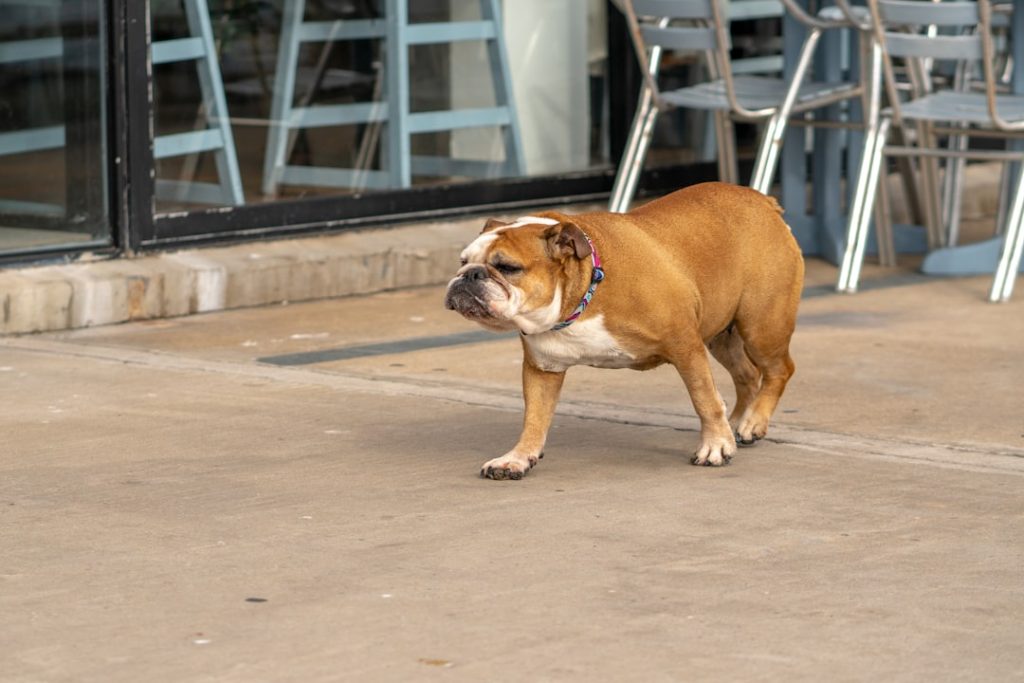
As dog owners, we frequently find ourselves giving our furry friends a lot of love & affection—sometimes to the point of overindulgence—in an effort to help them reach a healthy weight. But we must acknowledge that this love can result in major health problems, especially obesity. The first step in protecting dogs’ health is to detect obesity in them. We need to be aware that a dog is deemed obese if its weight is 20% or more than its ideal weight. Numerous health issues, such as diabetes, joint problems, and heart disease, can result from this excess weight.
Key Takeaways
- Recognize obesity in dogs by identifying signs and understanding its health risks.
- Develop a balanced diet tailored to your dog’s needs to promote healthy weight loss.
- Incorporate regular exercise and physical activities to boost your dog’s fitness.
- Control portion sizes and limit treats to manage calorie intake effectively.
- Consult a veterinarian for personalized advice and monitor your dog’s progress consistently.
A straightforward body condition score (BCS) system can be used to determine with accuracy if our dog is overweight. Serious underweight is represented by a score of 1, and severe obesity by a score of 9. An ideal weight is indicated by a score of five. It might be time to reevaluate our dog’s diet and lifestyle if we are unable to feel their ribs without applying pressure. We should also look at our dog’s waist from above; a noticeable bulge could be a sign of excess weight.
If you’re looking for more information on how to help an overweight dog, you might find the article on pet nutrition and weight management helpful. It offers insights into creating a balanced diet and exercise plan tailored for your furry friend. You can read it here: Furever Friends Veterinary Clinic Resources.
We can take the appropriate action to assist our dogs in leading healthier lives if we are alert & proactive in spotting obesity. Making a healthy meal plan that suits our dog’s needs is the next step after determining that they are overweight. The diet that we give our dog must be balanced and suitable for their age, size, and level of activity because nutrition is crucial to weight control. We can begin by speaking with a veterinarian to find out how many calories our dog should consume based on their weight & overall health.
High-quality dog food that includes lean proteins, whole grains, and an abundance of fruits and vegetables should be the main focus of meal planning. Foods that contain a lot of artificial ingredients and fillers should be avoided because they can cause weight gain without offering the nutrients that the body needs. We might also think about using fresh fruits and vegetables or low-calorie snacks as incentives during workouts. We can assist our dogs in losing excess weight while still allowing them to enjoy their food by being careful about what we give them. Regular exercise is essential to our dog’s weight loss journey, along with a nutritious diet.
We should try to establish a fitness regimen that is appropriate for our dog’s age, breed, & physical condition as responsible pet owners. Exercise enhances general health & muscle strength in addition to assisting with calorie burning. As our dog gets used to exercise, we can gradually increase the length and intensity of our daily walks. In the beginning, we can start with daily walks.
If you’re looking for ways to help an overweight dog, it’s important to consider not just their diet and exercise, but also how different activities can impact their overall health. For instance, ensuring that your pet stays active during travel can be a great way to maintain their fitness. You can find some useful tips on how to keep your furry friend active while on the go in this article about safe travel with your pet. Check it out here for more insights on keeping your dog healthy and happy during your adventures.
| Metric | Recommended Value/Action | Notes |
|---|---|---|
| Ideal Weight Loss Rate | 1-2% of body weight per week | Gradual weight loss is safer and more sustainable |
| Daily Caloric Intake | Reduce by 20-30% from maintenance calories | Consult a vet for exact caloric needs |
| Exercise Duration | 30 minutes to 1 hour daily | Start slow and increase intensity gradually |
| Type of Exercise | Walking, swimming, fetch | Low-impact activities preferred for overweight dogs |
| Feeding Frequency | 2-3 smaller meals per day | Helps control hunger and metabolism |
| Weight Monitoring | Weekly weigh-ins | Track progress and adjust plan as needed |
| Vet Check-ups | Every 4-6 weeks during weight loss | Ensure health and adjust diet/exercise |
| Treats | Low-calorie, limited quantity | Use as rewards, not regular snacks |
We can experiment with different activities that keep our dogs active and stimulated in addition to walks. Our dogs can be entertained & get great exercise by playing fetch, practicing agility, or even swimming. It’s critical that we keep in mind that consistency is essential; allocating specific time each day for exercise will help create a routine that is advantageous to both us and our dogs. We can encourage a healthier lifestyle for our pets by incorporating exercise into our everyday routines in a fun and enjoyable way.
Portion control is one of the biggest issues we have when it comes to controlling our dog’s weight. When they beg for food or treats, it can be tempting to give in, but we must maintain our composure. The best way to control our dog’s food intake is to measure their servings based on the recommendations on the dog food packaging or from their veterinarian. We can make sure we are serving the right amount of food by using measuring cups or a kitchen scale. We should also be careful about the treats we provide during the day.
Treats can be a vital component of training and building relationships with our dogs, but if they are not handled correctly, they can also cause weight gain. To cut back on calories while still rewarding our dogs, we can choose low-calorie treats or divide larger treats into smaller portions. By controlling portion sizes & paying attention to what we feed our dogs, we can better assist them in reaching their weight loss objectives. Getting expert advice is essential as we set out on this path to assist our dogs in losing weight. We can learn a lot about our dog’s unique requirements and health issues by speaking with a veterinarian. We can get personalized guidance from a veterinarian regarding our dog’s diet, exercise regimen, and any underlying medical conditions that might be causing obesity.
Veterinarians are able to track our dog’s development over time and provide advice on diet and exercise plans. Our ability to monitor weight loss & modify our strategy as needed will be made possible by routine examinations. We can make sure that our efforts are safe & successful by collaborating closely with a veterinarian, which will ultimately result in our cherished pets living healthier and happier lives.
Any behavioral problems involving food must be addressed as we work through the difficulties of helping our dogs lose weight. Emotional eating habits can cause dogs to overeat or make unhealthy food choices, just like they can in humans. We need to observe how our dog behaves around food & find any triggers that might cause them to overeat. We can use tactics that encourage constructive behaviors during mealtimes to counteract emotional eating.
For example, instituting a regular feeding schedule can aid in providing structure & lowering anxiety about the availability of food. Also, refocusing our dog’s attention from food to more constructive uses of their energy can be achieved by conducting interactive playtime or mental stimulation exercises. We can help our dogs and their food develop a more positive relationship by addressing these behavioral changes. Every weight loss journey, including our dogs’, must include progress tracking. We can evaluate the success of our diet & exercise regimen by routinely monitoring our dog’s weight, which will also serve as motivation for both of us and our furry friends.
At home or at the vet, we can make it a habit to weigh our dogs once a week or twice a week. We should monitor weight as well as other signs of improved health, like more energy or better mobility. Maintaining a journal of our dog’s development can keep us motivated and organized during the trip. We can keep the process exciting and motivate our dogs to stay on course by acknowledging and applauding little accomplishments along the way, such as dropping a pound or just becoming more active.
The effort doesn’t stop when we’ve successfully assisted our dogs in reaching their target weight; avoiding relapse is just as crucial. For pet owners, maintaining a healthy lifestyle necessitates constant dedication. After achieving our weight loss objectives, we must still place a high priority on eating a balanced diet & getting regular exercise. In addition to being watchful for any changes in behavior or activity levels that might point to possible weight gain, we should continue to be vigilant about portion control and treatment management in order to prevent relapse.
Early adoption of healthy habits will facilitate long-term maintenance of this lifestyle for both our dogs & ourselves. By creating an atmosphere that supports health & wellbeing, we can make sure that our animal friends lead contented lives free from the negative effects of obesity. The process of assisting our dogs in reaching and maintaining a healthy weight is complex and calls for commitment, understanding, and love, to sum up. We can greatly enhance our pets’ quality of life by being aware of the issue of dog obesity, developing balanced meal plans, putting exercise regimens into place, controlling portions, getting professional help, addressing behavioral changes, tracking our progress, and avoiding relapse. Let’s set out on this path to improved health for our animal companions together!