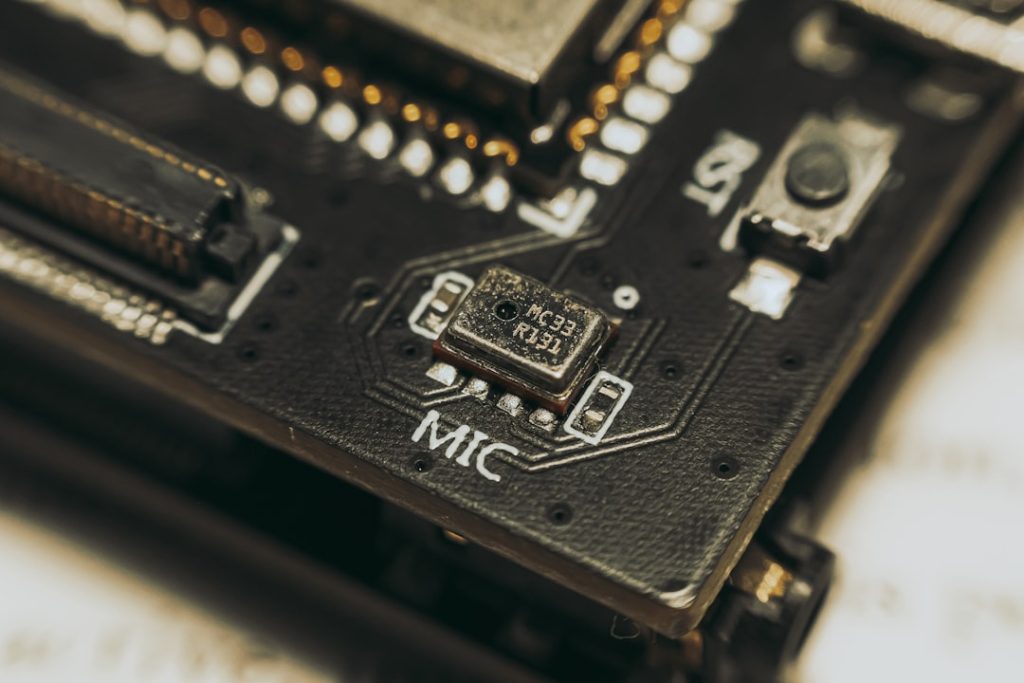
Microchipping pets has become increasingly popular among both pet owners and animal welfare groups in recent years. A tiny electronic chip, about the size of a grain of rice, is implanted beneath a pet’s skin during microchipping, usually in the space between the shoulder blades. A veterinarian or animal shelter can scan this chip’s unique identification number to connect the pet to the owner’s contact details kept in a database. As we delve deeper into the realm of microchipping, we will examine its many advantages, the legal environment in which it exists, and its function in guaranteeing the security & welfare of our cherished pets. As pet owners, we frequently struggle with the fear of losing our animal companions. It can be upsetting to consider a cherished pet disappearing, which makes us look for solutions that bring comfort.
Key Takeaways
- Microchipping is a safe and effective way to identify pets and reunite them with their owners if they get lost.
- Microchipping provides a permanent form of identification that cannot be lost or removed, unlike traditional collars and tags.
- Microchipping can also provide health and safety benefits for pets, such as access to medical records and emergency contact information.
- Many countries and states have legal requirements and regulations for microchipping pets, including mandatory registration and updating of information.
- Microchipping is a simple and quick process that can be done by a veterinarian, and it has a high success rate in reuniting lost pets with their owners.
In the event that our pets wander off or become lost, microchipping is a dependable and efficient way to guarantee that they can be identified and brought back to us. The significance of microchipping, its function in the recovery of lost pets, & the numerous health and safety advantages it provides will all be covered in this article. Given how easily pets can elude us in this day and age, microchipping is an essential tool for pet identification. Microchips offer a permanent form of identification that is impervious to wear and tear, in contrast to collars and tags, which can be misplaced or removed. Regardless of the circumstances surrounding their disappearance, this permanence is essential for guaranteeing that our pets can always be linked to us. Microchipping is a crucial step in protecting our pets, & as responsible pet owners, we must understand that it is not merely an option.
Microchipping offers numerous benefits for both dogs and cats, ensuring their safety and increasing the chances of a happy reunion if they ever get lost. For more in-depth information on this topic, you can explore a related article that highlights the importance of microchipping and provides insights into the process and its advantages. Check it out here: Microchipping Benefits for Pets.
Also, microchipping is especially crucial when pets are taken to shelters or discovered by strangers. The lack of identification tags on many animals that wind up in shelters makes it challenging for staff to reunite them with their owners. Our pets are more likely to be promptly and effectively returned to us if they are microchipped. The idea that microchipping is an essential component of responsible pet ownership is reinforced by the fact that this straightforward process can make all the difference in reunifying lost pets with their families. Microchipping has been shown to be a very useful tool for recovering lost pets. According to statistics, pets with microchips have a much higher chance of being reunited with their owners than pets without them.
Numerous studies indicate that after being lost, over 60% of microchipped cats and nearly 75% of microchipped dogs are returned to their families. These figures demonstrate how well microchipping works as a preventative measure to guarantee our pets’ safe return. Microchipping not only increases the likelihood of recovery but also simplifies the procedure for rescue agencies and shelters. When a lost pet is brought in, employees can quickly look for a microchip and retrieve the owner’s details in a matter of seconds.
In addition to saving time, this effectiveness lessens the tension & worry that pets & their owners feel in such upsetting circumstances. We can help create a more efficient system for recovering lost pets by adopting microchipping as a standard procedure. Microchipping provides a number of health and safety advantages for our pets in addition to identification and recovery. It offers a permanent record of our pet’s medical history, which is a major benefit. A veterinarian can obtain vital information about vaccinations, allergies, and past treatments by scanning a microchip. When time is of the essence and prompt decisions about our pet’s care must be made, this information can be extremely important.
Microchipping offers numerous benefits for dogs and cats, providing a reliable way to reunite lost pets with their owners. In addition to the peace of mind that comes from knowing your furry friend can be easily identified, microchipping can be especially useful during travel. For pet owners planning trips, it’s essential to ensure their pets are safe and secure. You can find helpful advice on this topic in a related article that discusses tips for safe travel with your pet this summer. To read more, visit tips for safe travel with your pet.
| Benefit | Description |
|---|---|
| Permanent identification | Microchips provide a permanent form of identification for dogs and cats, unlike collars and tags which can be lost or removed. |
| Reunification | Microchipping increases the chances of reuniting lost pets with their owners, as it allows shelters and veterinarians to scan for the chip and contact the owner. |
| Legal requirements | In some areas, microchipping dogs and cats is a legal requirement, providing a form of proof of ownership and responsibility. |
| Health benefits | Microchipping procedures are generally safe and can be done during a regular veterinary visit, providing a quick and easy way to ensure a pet’s safety. |
Also, if our pets are discovered by someone else, microchips can help guarantee that they receive the right care. When a lost pet is brought to a veterinary clinic or animal shelter, for example, the information associated with the microchip allows staff to promptly determine any medical requirements or special considerations. In addition to improving the safety of our pets, this feature gives us pet owners a sense of security because we know that our animals will get the proper care even when we are not around. As the advantages of microchipping have become more widely recognized, so too have the legal requirements for its use. As part of responsible pet ownership, laws requiring the microchipping of some pet breeds, like dogs, have been passed in numerous areas.
Microchipping offers numerous benefits for both dogs and cats, ensuring that lost pets can be quickly reunited with their owners. In addition to the peace of mind that comes with knowing your furry friend can be identified, microchipping also plays a crucial role in reducing the number of stray animals. For pet owners who enjoy outdoor activities, such as walking their dogs, it’s essential to be aware of safety tips during hot weather. You can find helpful advice on this topic in a related article that discusses important considerations for walking your dog when temperatures rise. For more information, check out this helpful guide.
By making it easier to identify & return pets to their owners, these rules seek to lower the number of stray animals and enhance public safety in general. As pet owners, it is crucial that we remain up to date on local microchipping laws. Understanding these requirements enables us to stay compliant while simultaneously safeguarding our pets, as regulations can differ greatly between localities.
By abiding by these regulations, we support a larger initiative to encourage responsible pet ownership & lower the quantity of stray or abandoned animals in our neighborhoods. Most pet owners can microchip their pets because it’s a simple and quick process. It usually takes a few minutes for a veterinarian or other qualified professional to complete the procedure. Similar to a standard vaccination, the chip is injected into our pets using a syringe, causing them little discomfort. To make sure the chip can be used for identification, we must register it with our contact details in a national database after implantation.
The correct registration and upkeep of contact details are crucial to microchipping’s efficacy. It is essential to update our information in the database linked to our pet’s chip if we relocate or change phone numbers. If we don’t, the chip might not be able to bring our lost pets back to us.
By following these easy steps, we can make the most of microchipping and guarantee that our pets will always be safe and identifiable. Other facets of pet ownership, like insurance and travel, are also impacted by microchipping. As a responsible practice that lowers the risks associated with lost animals, many pet insurance policies provide discounts or incentives to owners who have their pets microchipped. By utilizing these advantages, we may be able to lower our insurance costs while simultaneously safeguarding our animals. Microchipping becomes even more important when we travel with our pets.
In order to prevent problems with lost animals during travel, many nations mandate that pets be microchipped before they are allowed to enter their borders. Also, having a microchip guarantees that our pet will be promptly identified and brought back to us in the event that they escape or get lost while traveling. We can travel with more peace of mind thanks to this extra security measure. Microchipping will undoubtedly remain crucial to responsible pet ownership in the future.
We expect more pet owners to adopt this practice as standard procedure for their furry friends as a result of technological advancements and growing awareness of animal welfare. Microchipping is an essential tool for guaranteeing our pets’ well-being because of its many advantages, which range from better identification & recovery rates to increased health and safety. Also, we can anticipate increased cooperation between veterinarians, shelters, and pet owners in advancing microchipping as laws pertaining to it develop and spread. We can collaborate to build safer surroundings for all pets by encouraging a culture of accountability and concern within our communities. In the end, adopting microchipping helps reduce stray populations and improve animal welfare more broadly while also safeguarding individual animals.