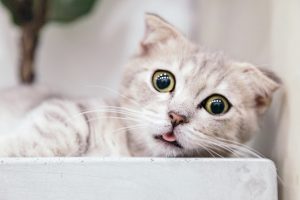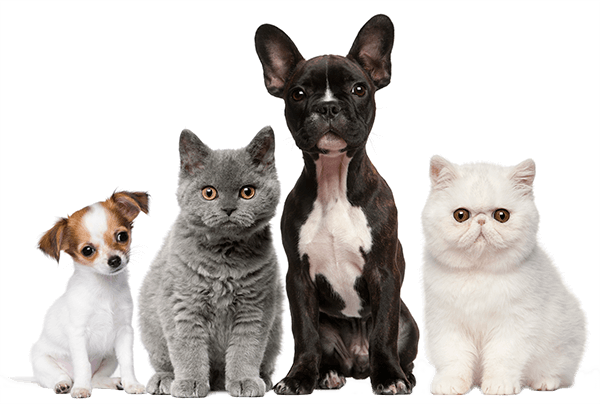

Knowing Our Pets: Symptoms of Health Problems As pet owners, we have a special relationship with our animals. We frequently put their welfare first and work to make sure they have happy, healthy lives. But just like us, our pets can have health problems that show up in a variety of ways. We can identify these symptoms early and seek the proper treatment by being watchful & perceptive. We’ll look at a number of important signs in this article that could indicate our pets are having health issues.
Key Takeaways
- Changes in eating or drinking habits can be a sign of underlying health issues in pets.
- Unusual lethargy or lack of energy may indicate a health problem that needs attention.
- Sudden weight loss or gain should be monitored and addressed by a veterinarian.
- Persistent vomiting or diarrhea can be a symptom of a serious health issue and should not be ignored.
- Difficulty breathing or coughing should be evaluated by a veterinarian as it could be a sign of respiratory problems.
A discernible shift in our pets’ eating or drinking patterns is one of the first indications that something might be wrong with them. It may be a warning sign if our dog or cat suddenly stops eating their favorite food or appears uninterested in their meals. A decrease in appetite may be a sign of a number of problems, from dental issues to more serious conditions like infections or gastrointestinal disorders.
If you’re concerned about your pet’s health and are looking for signs that they may need a vet visit, it’s also important to consider how environmental factors, like heat, can affect their well-being. For instance, during hot weather, pets can easily become overheated, which can lead to serious health issues. To ensure your furry friend stays safe while enjoying outdoor activities, check out this informative article on 5 tips for walking your dog when it is hot. This resource provides valuable insights on how to keep your pet comfortable and healthy during warmer months.
On the other hand, if we observe that our pet is constantly hungry, it may indicate metabolic problems or even diabetes. Changes in drinking patterns can also be indicative. It’s crucial to pay attention if our pet is consuming noticeably more or less water than normal. Reduced water intake may result in dehydration and other issues, while increased thirst may be a sign of diabetes or renal disease. By keeping a close eye on these changes, we can give our veterinarian useful information that will enable them to more accurately diagnose any underlying problems. Unusual lethargy or a lack of energy in our pets is another important indicator to look out for.
Even though it’s common for pets to have lazy days, an abrupt change in their energy levels can be alarming. An underlying health issue may be indicated if we observe that our once-active dog is now reluctant to play or go for walks, or if our cat sleeps all day and shows little interest in their surroundings. There are a number of reasons why people become lethargic, such as infections, pain, or even emotional distress. We must take into account the context of this behavior; the lethargy may be more serious if our pet has also had changes in appetite or weight.
By monitoring these trends, we can make sure that our pets get the care they require at the most critical times. We should never ignore our pets’ weight fluctuations because they can be concerning. Abrupt weight loss may be a sign of major medical conditions like diabetes, cancer, or hyperthyroidism. It’s critical to see a veterinarian right away if we see that our pet is losing weight even though they are eating normally. Losing weight may necessitate immediate intervention because it can cause additional problems.
If you’re concerned about your pet’s health, recognizing the signs that indicate a vet visit is essential for their well-being. For instance, changes in behavior, appetite, or energy levels can all be red flags. Additionally, if you’re planning to travel with your pet, it’s important to ensure they are healthy enough for the journey. You can find helpful advice on preparing for travel with your furry friend in this article about safe travel tips. Taking these precautions can help ensure a smooth trip while keeping your pet’s health in check.
| Signs your pet needs a vet visit |
|---|
| Lack of appetite |
| Lethargy or weakness |
| Excessive thirst or urination |
| Vomiting or diarrhea |
| Difficulty breathing |
| Unexplained weight loss |
| Changes in behavior or mood |
However, abrupt weight gain can also be troublesome. If our pet is gaining weight quickly, it may be the result of hypothyroidism, overfeeding, or inactivity. Pet obesity can result in a number of health problems, such as heart disease and joint problems. We can support our pets in maintaining a healthy lifestyle by routinely checking their weight & making dietary and exercise adjustments. At some point, many pet owners experience common problems like vomiting and diarrhea.
However, these symptoms need to be treated right away if they persist. It’s critical to take action if we discover that our pet is having frequent episodes of vomiting or diarrhea, or if we find ourselves cleaning up after them more frequently. Dehydration may result from these symptoms, which may also point to underlying health issues like infections, parasites, or dietary intolerances. Vomiting can sometimes be accompanied by additional symptoms like lethargy or changes in appetite, which can make things more difficult. In order to give our veterinarian thorough information during the visit, it’s critical that we monitor the duration of these symptoms as well as any other accompanying indicators.
Our pet’s recovery can be greatly impacted by early intervention. Pet respiratory problems can be especially worrisome and should never be disregarded. It’s critical to get veterinary care right away if we see that our pet is coughing or having trouble breathing. From allergies and infections to more serious illnesses like pneumonia or heart disease, these symptoms could point to a variety of issues. The type of coughing—dry or productive—as well as any accompanying symptoms like wheezing or nasal discharge should be closely monitored.
Rapid panting or a greater effort to breathe can also be signs of breathing difficulties. We can make sure that our pets receive prompt care & assistance by being aware of these symptoms and taking preventative measures. Although they are frequently disregarded, changes in our pets’ urination or defecation habits can reveal important information about their health. Urinary tract infections or other underlying problems like kidney disease may be the cause of our dog’s increased urination or house accidents.
On the other hand, prompt veterinary care is required if our pet is straining to urinate or has blood in their urine. In a similar vein, alterations in bowel movements should not be disregarded. Consistent constipation or diarrhea in our pet may indicate gastrointestinal or nutritional problems that require attention. By keeping an eye on these changes, we can give our veterinarian important information that will help them decide what is best for our pets.
Our pets’ general health can be inferred from the state of their skin and coat. Our pet may have allergies, parasites like fleas or ticks, or even skin infections if we observe excessive scratching, biting at the skin, or bald patches appearing on their body. A healthy coat should be glossy and free of excessive hair loss; if we notice dullness or excessive hair loss, it might be time to do more research. Secondary infections can also result from untreated skin conditions.
As a result, we must keep a close eye on any changes and seek advice from a veterinarian if needed. They can assist in determining the underlying cause of the issue & suggest suitable remedies to restore the health of our pet’s skin. Lastly, behavioral changes in our pets frequently indicate underlying medical conditions that need to be addressed. Our typically amiable dog may be experiencing pain or discomfort that they are unable to verbally communicate if we observe that they have become withdrawn or hostile toward people or other animals.
Anxiety or stress brought on by changes in the surroundings can also cause behavioral changes. Instead of being frustrated by these changes, we should approach them with empathy & understanding. We can gain a better understanding of what may be influencing our pet’s mood by looking for patterns in behavior and taking into account any recent changes to routine or surroundings.
Seeing a veterinarian can assist us in figuring out whether there are any health problems and how to help our cherished pets through trying times. In conclusion, it is critical for our pets’ wellbeing to pay attention to any indications of health problems. We can take proactive measures to ensure their health and happiness by identifying changes in eating habits, energy levels, weight fluctuations, gastrointestinal symptoms, respiratory problems, urination patterns, skin conditions, and behavioral shifts. Our pets depend on us for support and care; by remaining knowledgeable & perceptive, we can give them the highest quality of life.