
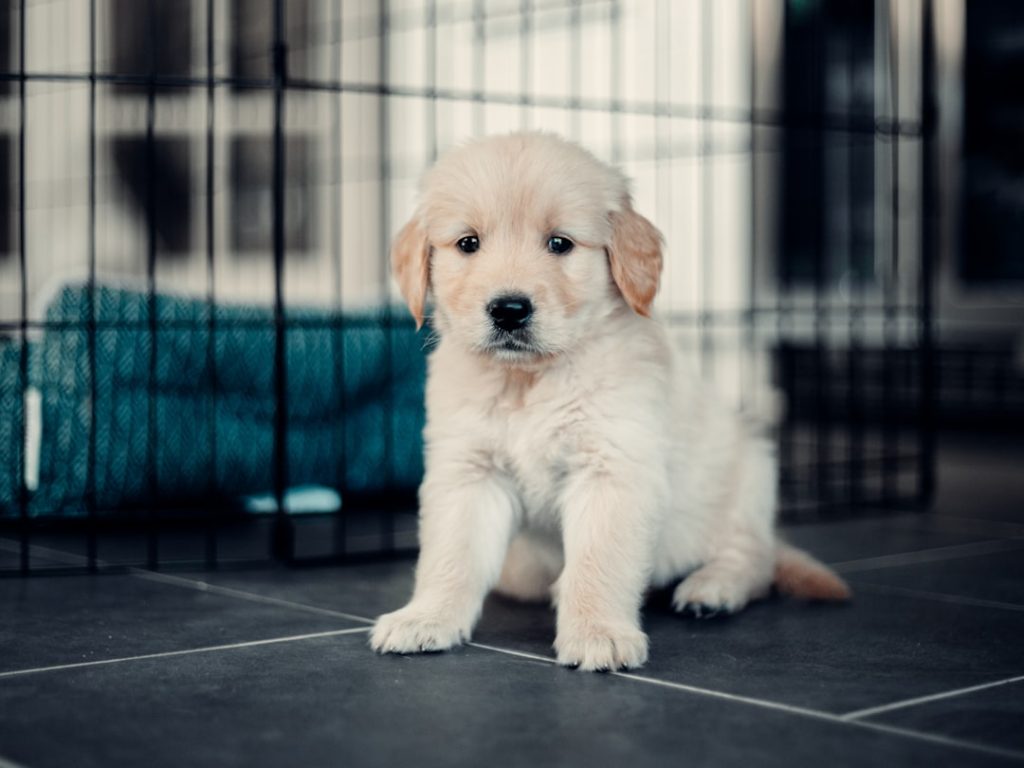
A popular strategy for housebreaking puppies and giving them a secure environment is crate training, which is described in Crate Training: A Complete Guide for New Puppy Owners. We frequently feel overburdened by the obligations that come with raising a young dog as new puppy owners. Crate training helps our furry friends feel secure in addition to helping to establish a routine. By comprehending the fundamentals of crate training, we can create an environment that is beneficial to both our puppies and ourselves. Our puppies can feel secure and at ease in the crate, which functions as a den-like area.
Key Takeaways
- Crate training is a valuable tool for housebreaking and providing a safe space for your puppy.
- When choosing a crate, consider the size, material, and portability to ensure it meets your puppy’s needs.
- Introduce your puppy to the crate gradually, using treats and positive reinforcement to create a positive association.
- Gradually increase the time your puppy spends in the crate, starting with short intervals and gradually extending them.
- Use positive reinforcement, such as treats and praise, to encourage your puppy to enter and stay in the crate.
It imitates the innate tendencies of dogs, who frequently look for cramped, enclosed areas to unwind in. A well-mannered dog that recognizes boundaries and feels safe in their surroundings can result from proper crate training. It’s crucial to approach crate training patiently and consistently as we set out on this journey to make sure our puppies see their crate as a happy place rather than a place of punishment. For our crate training efforts to be successful, choosing the right crate is essential. We offer a variety of choices, such as fabric, metal, and plastic crates. When choosing, it’s crucial to take into account our puppy’s size, temperament, and living circumstances because each type has pros and cons of its own.
When crate training your puppy, it’s essential to consider their comfort and safety during travel as well. For helpful insights on ensuring a smooth journey with your furry friend, you can check out this related article on safe travel tips: 4 Tips for Safe Travel with Your Pet This Summer. This resource provides valuable advice that complements your crate training efforts, making both training and travel experiences more enjoyable for you and your puppy.
For example, metal crates provide better ventilation and visibility, but plastic crates are frequently more private & secure. Making sure the crate is the appropriate size for our puppy is another important consideration. A crate that is too big might encourage our puppy to use one corner as a restroom, while a crate that is too small might be uncomfortable. The ideal crate size is one that allows our puppy to comfortably stand, turn, and lie down.
We may also want to think about crates that can be adjusted to accommodate our puppy’s growth, which will ultimately save us money. The next step after choosing the ideal crate is to gently and constructively introduce our puppy to it. To make sure our puppy is safe & at ease in their new environment, this procedure should be done gradually.
We can begin by putting the crate in a spot where our puppy frequently hangs out. They can get used to the crate without feeling alone thanks to this. Soft bedding and some of our puppy’s favorite toys can be added to the crate to make it more welcoming. It’s crucial to let our puppy explore the crate on their own terms; we can entice them with toys or treats. Forcing our puppy into the crate can lead to unfavorable associations, so it’s crucial to avoid doing so.
If you’re looking for effective crate training tips for puppies, you might find it helpful to explore additional resources that cover various aspects of puppy care. One such article provides insights into creating a positive environment for your new furry friend, ensuring they feel safe and comfortable in their crate. For more information, you can check out this informative piece on puppy care here.
| Tips for Crate Training Puppies |
|---|
| 1. Start Early: Begin crate training as soon as you bring your puppy home. |
| 2. Positive Association: Make the crate a positive place by using treats and toys. |
| 3. Gradual Introduction: Introduce the crate slowly, allowing the puppy to explore it at their own pace. |
| 4. Proper Sizing: Choose a crate that is just big enough for the puppy to stand up, turn around, and lie down comfortably. |
| 5. Consistent Schedule: Stick to a consistent schedule for crate time, including feeding, potty breaks, and playtime. |
| 6. Patience and Persistence: Crate training takes time and patience, so be consistent and persistent. |
Rather, we should encourage their curiosity and openness to explore by praising any tiny steps they take in the direction of opening the crate. To help our puppies adapt to their new surroundings, gradual crate training is essential. We can begin by letting our puppy spend brief periods of time inside the crate while we are close by. As a result, they are better able to link the crate to happy memories rather than loneliness or fear. We can progressively extend their time inside as they get more at ease.
We should keep a careful eye on our puppy’s behavior during this phase. It might be necessary to step back and give them more time to adjust if they exhibit signs of distress or anxiety. We can reinforce the positive aspects of the crate by incorporating playtime around it.
By incorporating the crate into our everyday routine, we assist our puppies in realizing that it is a secure place where they can unwind. For crate training to be successful, positive reinforcement is crucial. We should reward our puppies for desired behaviors related to the crate as we help them through this process. This might involve praising them when they stay calm inside the crate or rewarding them with treats when they voluntarily enter. By employing positive reinforcement strategies, we establish a setting that motivates our puppies to interact with their crate.
Rewarding & praising others consistently is crucial. Our puppies will eventually come to associate the crate with good experiences, increasing the likelihood that they will look for it on their own. During crate training sessions, clicker training is another useful technique for rewarding good behavior. The link between opening the crate and getting rewards can be strengthened by the clicker sound and a treat. For our puppies to learn when it’s time to enter their crates, a regular crate training schedule is essential. We should establish a schedule that includes frequent bathroom breaks, playtime, and feeding times.
We can predict when our puppies will need to go into their crates & when they will need breaks outside by following a schedule. Puppies can typically hold their bladders for an hour for each month of age, so we should account for this in our schedule. For instance, we should strive for bathroom breaks every three hours if our puppy is three months old. This practice strengthens the notion that the crate is a secure area for rest and relaxation while also assisting in the prevention of mishaps.
It’s critical to recognize typical errors that can impede our progress as we move through the crate training process. Using the crate as a form of punishment is a major mistake. Puppies who misbehave may form negative associations with being reprimanded or confined to their crates, which can cause anxiety and resistance during training. Leaving our puppies in their crates for long stretches of time without breaks or social interaction is another mistake. Puppies are social creatures that need mental stimulation & company; prolonged isolation can cause behavioral problems like excessive barking or destructive chewing.
We ought to make an effort to strike a balance between crate time and lots of playtime and quality time spent together outside of the crate. During the crate training process, we might run into difficulties despite our best efforts. Excessive barking or whining while our puppy is in the crate is a typical problem. This behavior is frequently the result of attention-seeking or anxiety.
To deal with this, we should wait until they are calm before opening the door rather than caving in to their demands and letting them out right away. It might be necessary to go back to earlier stages of the introduction process if our puppy still refuses to go into the crate or displays signs of fear. By giving them more time to freely explore the crate or by offering more expensive treats as rewards for voluntarily entering, we can slow things down. As we overcome these obstacles together, patience and perseverance are essential.
To sum up, crate training is a crucial tool for new puppy owners who want to set up routines and provide a secure environment for their animals. We can position ourselves for success in this fulfilling journey of pet ownership by selecting the appropriate crate, introducing it gradually, employing positive reinforcement strategies, and sticking to a regular schedule. We will develop a close relationship with our puppies and assist them in becoming well-mannered adults who feel safe in their homes with patience & hard work.