
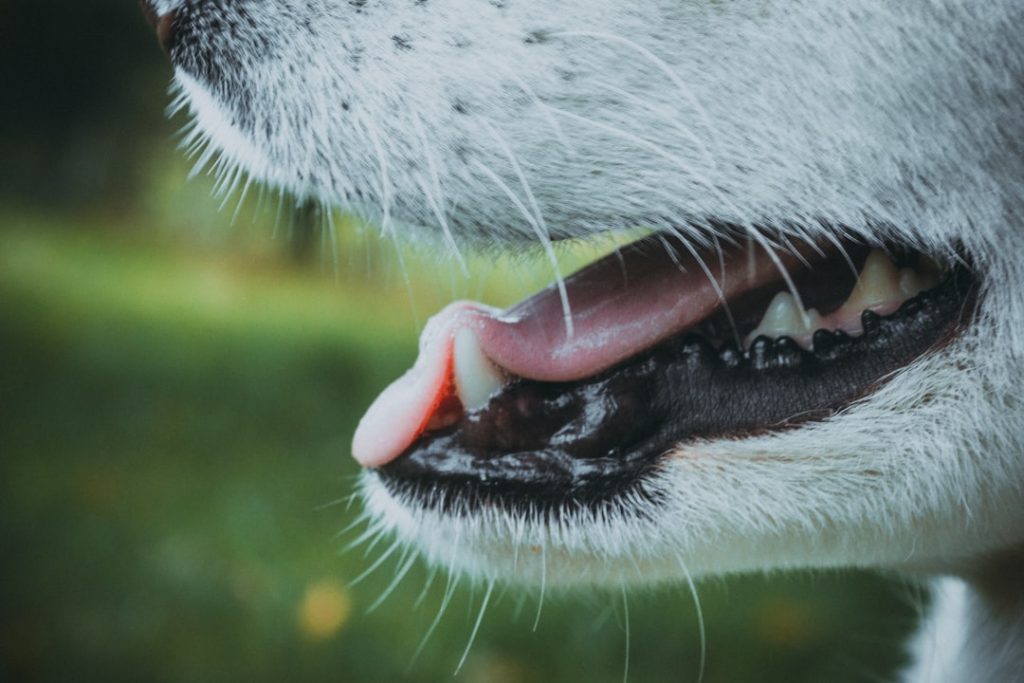
The Essential Guide to Canine Dental Care: Keeping our dogs’ teeth clean is essential to their general health and wellbeing. If their teeth and gums are not properly cared for, our furry friends can experience a variety of dental problems, just like humans. This article will discuss the significance of dental hygiene for dogs, how to pick the best brushing instruments, & offer a thorough how-to for incorporating tooth brushing into our dogs’ daily schedules. It is impossible to exaggerate the importance of dental hygiene for dogs.
Key Takeaways
- Dental hygiene is crucial for dogs to prevent dental diseases and maintain overall health
- Choose a toothbrush and toothpaste specifically designed for dogs to ensure safety and effectiveness
- Introduce tooth brushing gradually to help your dog get comfortable with the process
- Follow a step-by-step guide to properly brush your dog’s teeth, focusing on all surfaces
- Maintain your dog’s dental health between brushings with dental chews, toys, and regular check-ups
- Watch out for signs of dental problems in dogs such as bad breath, swollen gums, and difficulty eating
- Professional dental care for dogs, including regular cleanings, is important for long-term dental health
- Frequently asked questions about brushing your dog’s teeth include how often to brush and what to do if your dog resists
Numerous issues, such as periodontal disease, which damages the gums and may cause tooth loss, can be brought on by poor dental health. Neglecting our dogs’ dental needs can result in the accumulation of bacteria in their mouths, which can cause infections that can spread to their kidneys & heart. This systemic effect emphasizes how important it is that we give our pets’ oral health top priority. Also, keeping our dogs’ teeth clean can improve their quality of life. Our dogs feel pain & discomfort when they have dental problems, just like we do. Bad breath, which is frequently an indication of underlying dental issues, can be avoided with regular brushing.
Maintaining your dog’s dental hygiene is crucial, but it’s also important to consider other aspects of their health, such as flea and tick prevention. For pet owners looking for natural options to protect their furry friends from these pests, you can check out this informative article on flea and tick control. It provides valuable insights that complement your efforts in keeping your dog healthy overall. To learn more, visit this link.
We contribute to our dogs’ happiness and longevity by making sure they have healthy gums & clean teeth. Choosing the right toothpaste and toothbrush is crucial for providing dental care. We have a number of options when it comes to toothbrushes.
Many pet owners choose finger brushes because they give us greater control when brushing. As an alternative, we can choose conventional dog toothbrushes, which are made especially for dog mouths and come in a variety of sizes and shapes. The choice of toothpaste is equally significant. Because human toothpaste contains potentially harmful ingredients, we must never use it on our dogs. Rather, we should search for dog-specific toothpaste that is safe to consume & comes in pet-friendly flavors like peanut butter or poultry. This improves our dogs’ enjoyment of brushing and helps them come to terms with the procedure.
It’s critical to assist our dogs in becoming accustomed to having their teeth brushed before we begin the actual brushing procedure. We can begin by gradually introducing them to the toothpaste & toothbrush. We can help our dogs associate toothpaste and toothbrushes with positive experiences by letting them lick and sniff them. We can then include brief sessions in which we gently handle our dogs’ mouths without brushing.
Brushing your dog’s teeth is an essential part of their grooming routine, helping to prevent dental issues and maintain overall health. If you’re looking for more tips on how to care for your pet’s dental hygiene, you might find this informative article on pet care resources particularly helpful. It covers various aspects of pet health, including the importance of regular dental check-ups and additional techniques to keep your furry friend’s mouth clean and healthy.
| Step | Description |
|---|---|
| 1 | Start by getting your dog used to having their mouth touched. Gently lift their lips and touch their teeth and gums with your fingers. |
| 2 | Introduce them to the taste of dog toothpaste by letting them lick a small amount from your finger. |
| 3 | Once they are comfortable with the taste, start using a dog toothbrush or finger brush to gently brush their teeth in a circular motion. |
| 4 | Focus on the outer surfaces of the teeth, as these are the most prone to plaque and tartar buildup. |
| 5 | Be patient and consistent, gradually increasing the amount of time you spend brushing your dog’s teeth as they become more comfortable with the process. |
This could entail lifting their lips and using our fingers to gently massage their gums. By doing this on a regular basis, we help them become less sensitive to the touch of their mouths, which facilitates a more seamless and stress-free transition to brushing. We can follow a methodical procedure to guarantee thorough cleaning once our dogs are at ease with the concept of brushing their teeth. First, we should locate a peaceful, cozy area where our dog can relax.
Before beginning, it’s best to have everything ready, including the toothbrush, toothpaste, and maybe some treats for reinforcement. We start by letting our dog taste a tiny bit of toothpaste on the toothbrush. After that, we carefully lift their lips & begin brushing in a circular motion, paying particular attention to the tooth’s outer surfaces where plaque tends to build up. To ensure that we cover every area without causing discomfort, it’s crucial to brush for at least 30 seconds on each side. We should monitor our dog’s responses as we brush. We can pause and try again later if they appear nervous or uneasy.
Giving praise & a treat after brushing can help to reinforce good behavior & facilitate subsequent sessions. Even though brushing our dogs’ teeth on a regular basis is crucial, there are other things we can do to keep them healthy. Giving our dogs dental chews or oral health-promoting toys can both keep them entertained and help reduce plaque accumulation. As our dogs chew on them, these products frequently have textures that aid in teeth cleaning. It’s also essential to include a balanced diet that promotes dental health.
Certain dog foods are made especially to prevent tartar accumulation and encourage gum health. Since hydration is important for maintaining dental health, we should also make sure that our dogs always have access to fresh water. Maintaining dental health also requires routine veterinary examinations. Our veterinarians can perform expert cleanings and look for any indications of dental problems that might need to be addressed during these visits. Being watchful of our dogs’ dental health entails spotting possible issues early on.
Persistent bad breath, which could indicate an underlying infection or decay, is a common sign of dental problems. Also, we should keep an eye out for any changes in our dog’s eating habits. If they are reluctant to chew or exhibit pain during eating, it may be a sign of dental discomfort. Other symptoms include excessive drooling, loose teeth, and swollen or bleeding gums.
It’s crucial to see a veterinarian right away if we observe any of these symptoms. Early intervention can guarantee our dogs’ continued health and happiness by averting more significant issues later on. Professional dental care should not be disregarded, even though at-home care is essential. Veterinarians frequently perform dental exams as part of routine checkups, evaluating our dogs’ oral health and recommending any necessary treatments. In order to ensure complete cleaning without stressing or upsetting our pets, professional cleanings are usually carried out under anesthesia.
Veterinarians can check for any underlying problems that might need treatment during these cleanings and remove tartar buildup that routine brushing might not be able to remove. Periodontal disease treatments or extractions may be required, depending on the state of our dogs’ teeth and gums. Making an investment in professional dental care is crucial to ensuring that our dogs have the best possible oral health for the duration of their lives. We may have a number of inquiries about the procedure as we start this journey of canine dental care.
How frequently we should brush our dogs’ teeth is one frequently asked question. Brushing should ideally be done every day, but if that isn’t possible, aiming for two or three times a week can still have a big impact. Another common question is when we should start brushing our dogs’ teeth.
In order to acclimate them to the routine from an early age, it is best to start as early as possible, preferably when they are puppies. But with patience and encouragement, even older dogs can learn to tolerate brushing their teeth. Finally, if brushing is not an option, many pet owners are curious about other ways to keep their teeth healthy. Although brushing is the most efficient way, there are other options that can help with oral hygiene, like dental wipes or water additives.
In conclusion, maintaining our dogs’ dental health is crucial to their general well-being. We can greatly enhance their quality of life by recognizing the significance of dental care, selecting the appropriate equipment, and creating a comfortable tooth-brushing schedule. Our furry friends will have healthy smiles for many years to come if they receive regular professional care and are vigilant about spotting dental issues.